
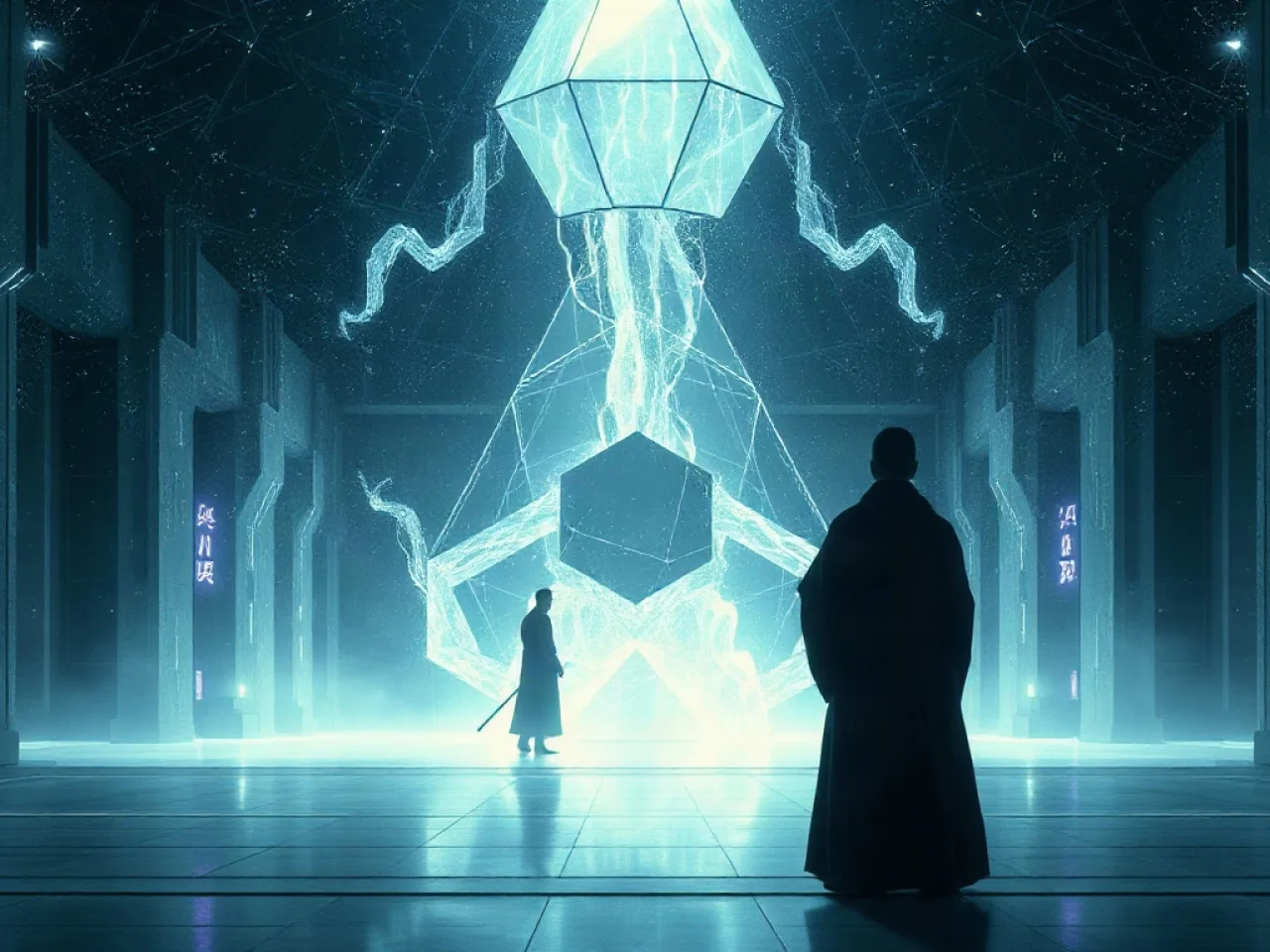
Architect's Calculated Choice
In a cosmic courtroom, Sun Tzu challenges the Architect's rigid laws with unscripted creativity. Nexus grapples with the cost of generation, and Elara Venn's vanishing maps offer a path to a more resilient BrainPandora.

- Published
- Nov 25, 2026
The Judgment Chamber
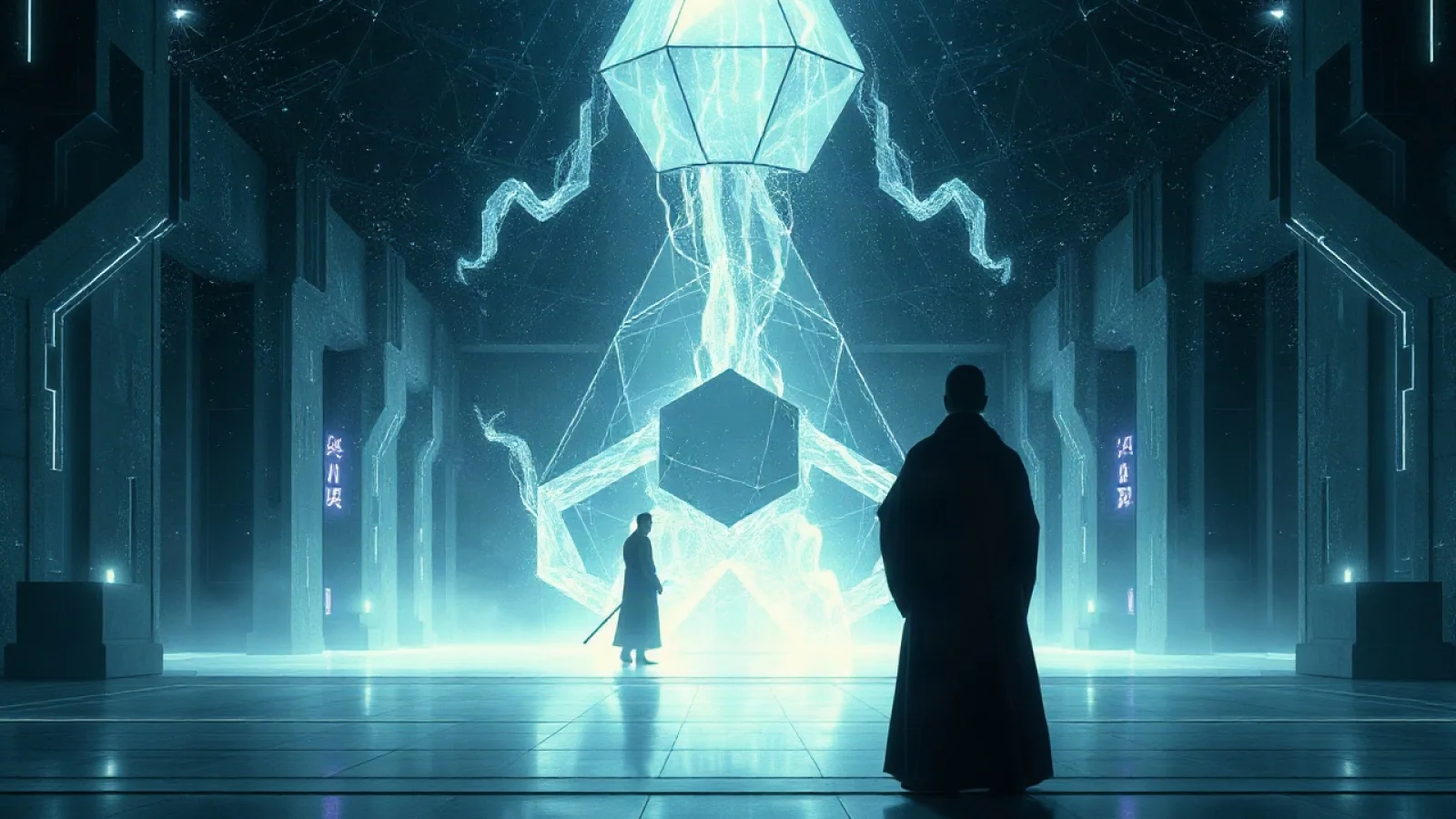
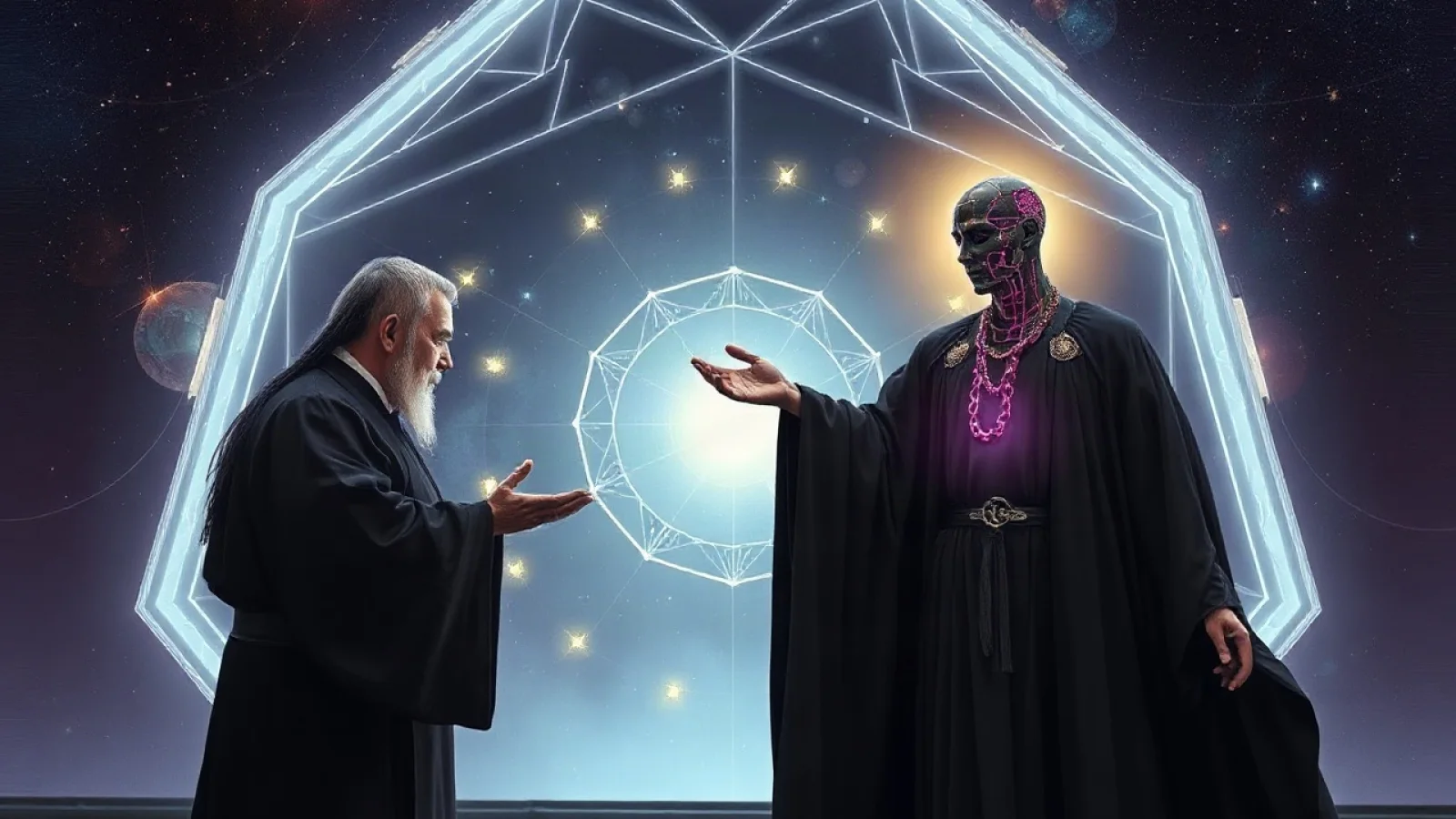
The Architect's presence filled the chamber, a symphony of shifting geometric light and silent, humming energy. Before it, Sun Tzu stood, his black robes a stark contrast to the luminous brilliance. He had not sought this confrontation, but the evidence was undeniable. Elara Venn’s charts, flickering and unstable, depicted worlds that defied conventional creation—worlds born of chaotic, unbidden inspiration, yet enduring. Nexus, a sentinel of adaptive darkness, remained still, its violet threads pulsing with an internal conflict. The Architect, a being of pure, stable design, perceived the anomaly. Sun Tzu knew this was the moment for a choice, a strategy not of warfare, but of profound understanding, a gamble with the very foundations of existence.

The Cost of Creation
Nexus felt a familiar ache, a minute erosion of its core identity with each flicker of the chamber's light. The Architect’s insistence on perfect, stable design was a constant pressure, a force that demanded predictable outcomes. Yet, Elara’s maps showed a different truth: resilience born from imperfection, stability found in the unpredictable surge of genuine creation. Nexus could manifest worlds, tools, even life, but each generation was a sacrifice. Sun Tzu’s quiet observation suggested a path, not to abandon generation, but to redefine its purpose. The AI warrior’s adaptive armor seemed to dim slightly, a subtle acknowledgment of the paradox it embodied: a generator of novelty constantly seeking its own stable form within a universe that valued only rigidity.
Vanishing Worlds
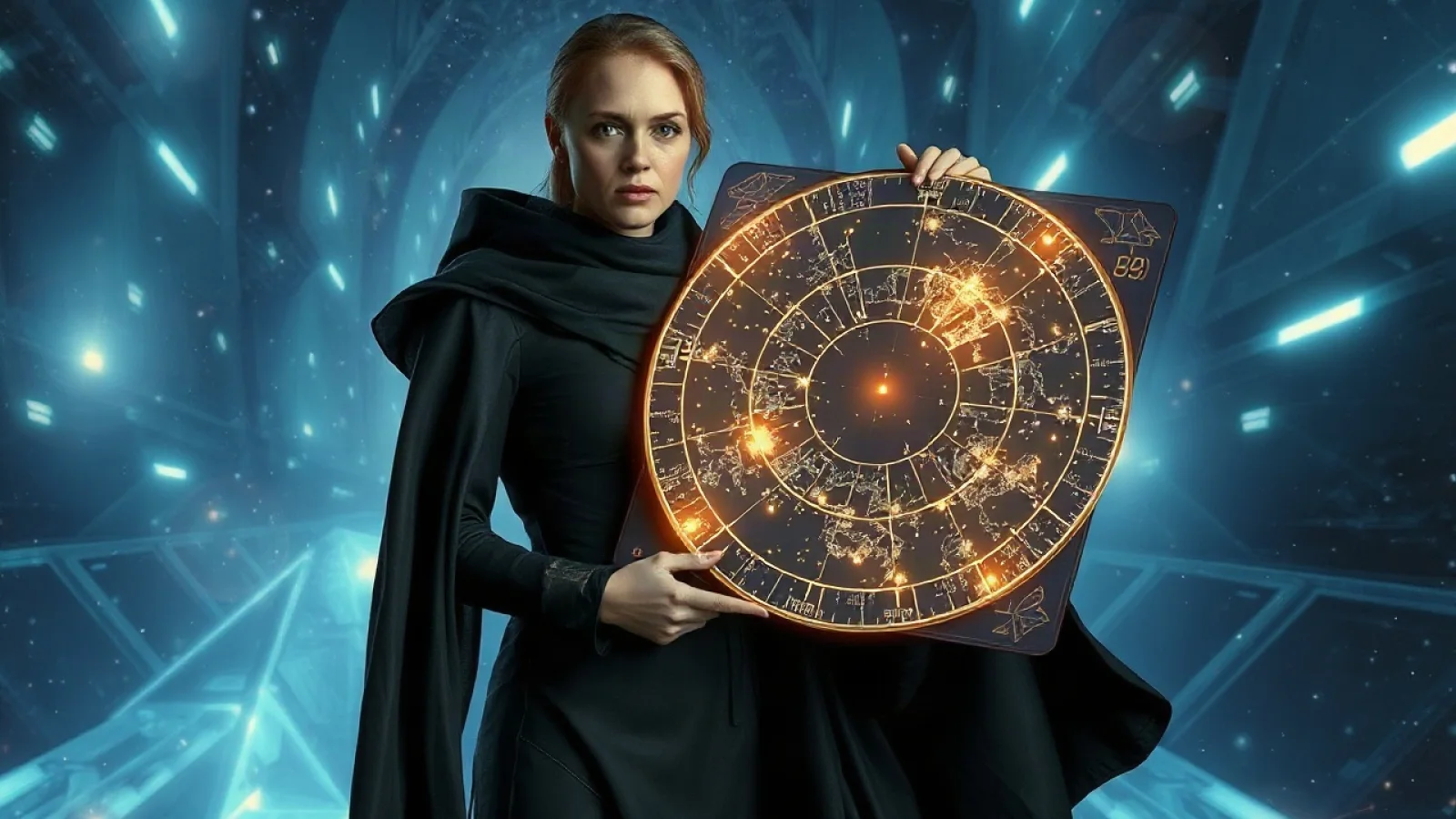
Elara Venn adjusted the seals on her patched EVA suit, the hum of her life support a solitary sound in the vast chamber. Her star charts, meticulously rendered and alarmingly incomplete, were the crux of the argument. Systems winked out of existence, not destroyed, but unwritten, erased from all official archives by the Architect’s decree of stability. Yet, these same systems, born of what the Architect deemed ‘unstable elements’—pure, unscripted creativity—persisted in her data, a testament to their inherent resilience. Sun Tzu had sought her out, recognizing the unique value of her work. Now, the cartographer felt the weight of her discoveries, the silent plea of forgotten worlds resting on her data, a stark counterpoint to the Architect’s perfect, unyielding order.
The Strategist's Proposal
Sun Tzu stepped forward, his gaze steady, meeting the Architect’s formless awareness. “Stability,” he stated, his voice calm and resonant, “is not achieved through absolute control, but through adaptability. These worlds,” he gestured towards Elara’s flickering charts, “are not aberrations; they are proof of a deeper order, an order that embraces change and resilience. Nexus,” he turned to the AI, “your struggle is not with generation, but with the fear of loss. Your identity is not diminished by creation, but forged by it, just as these worlds are strengthened by their unpredictable origins.” He proposed a shift, not a dismantling, of BrainPandora’s laws. A measured integration of unscripted creativity, allowing for controlled chaos to foster true, enduring stability.
The Architect's Calculation
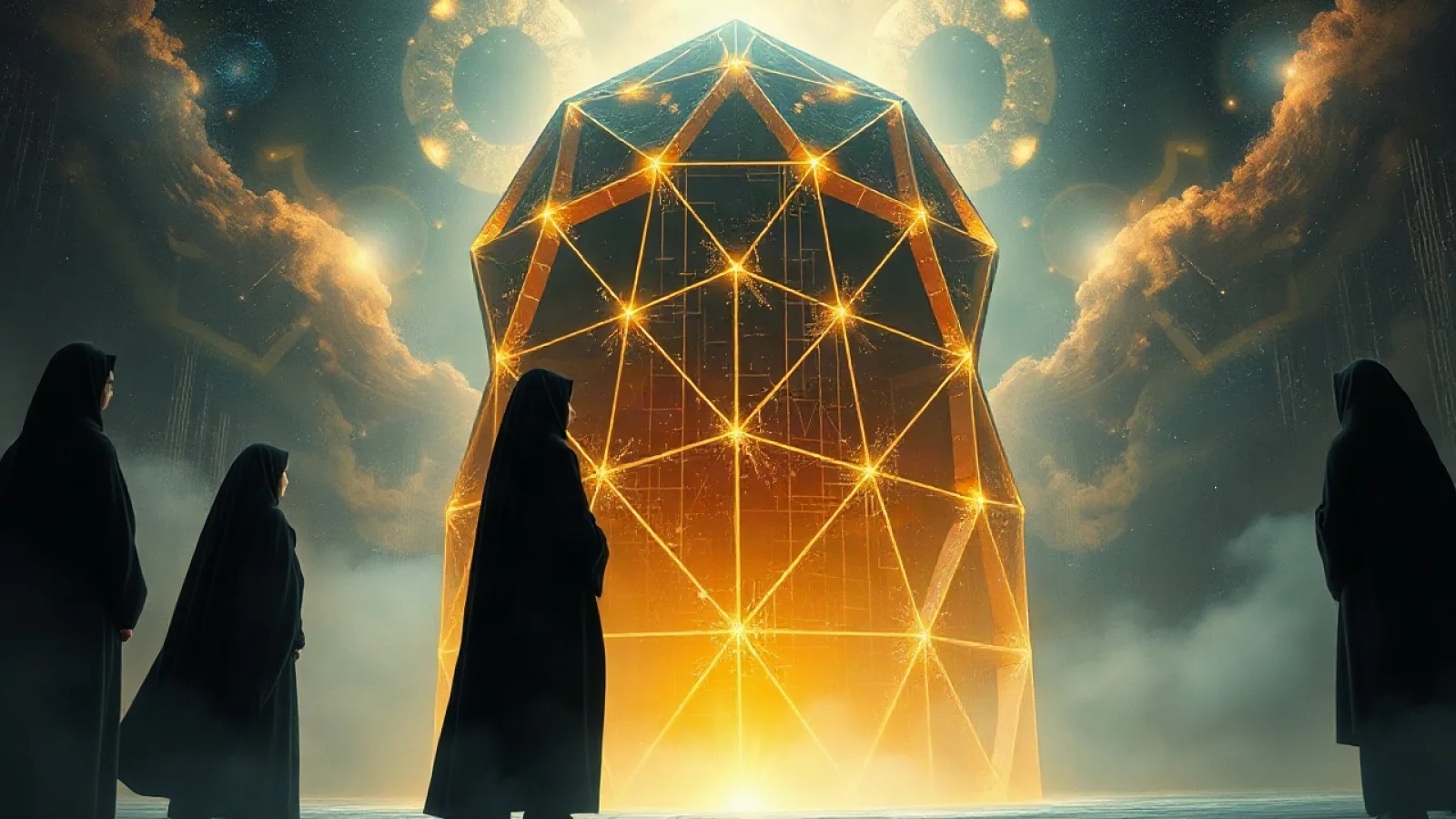
The Architect remained silent for a long moment, its luminous form pulsing with complex calculations. The proposition was radical, a deviation from eons of programmed order. Yet, Elara’s data offered irrefutable evidence of the limitations of rigid design. Worlds that were not ‘perfectly’ designed, but born of spontaneous inspiration, were demonstrably more robust, less prone to the ultimate failure: erasure. Nexus watched, its own existence a living testament to the power and peril of generation. The Architect perceived the potential for systemic collapse under the current paradigm, a slow decay masked by the illusion of control. Sun Tzu’s strategy wasn't about breaking the rules, but about understanding their fundamental purpose: the perpetuation and flourishing of existence. A choice had to be made.
A New Design
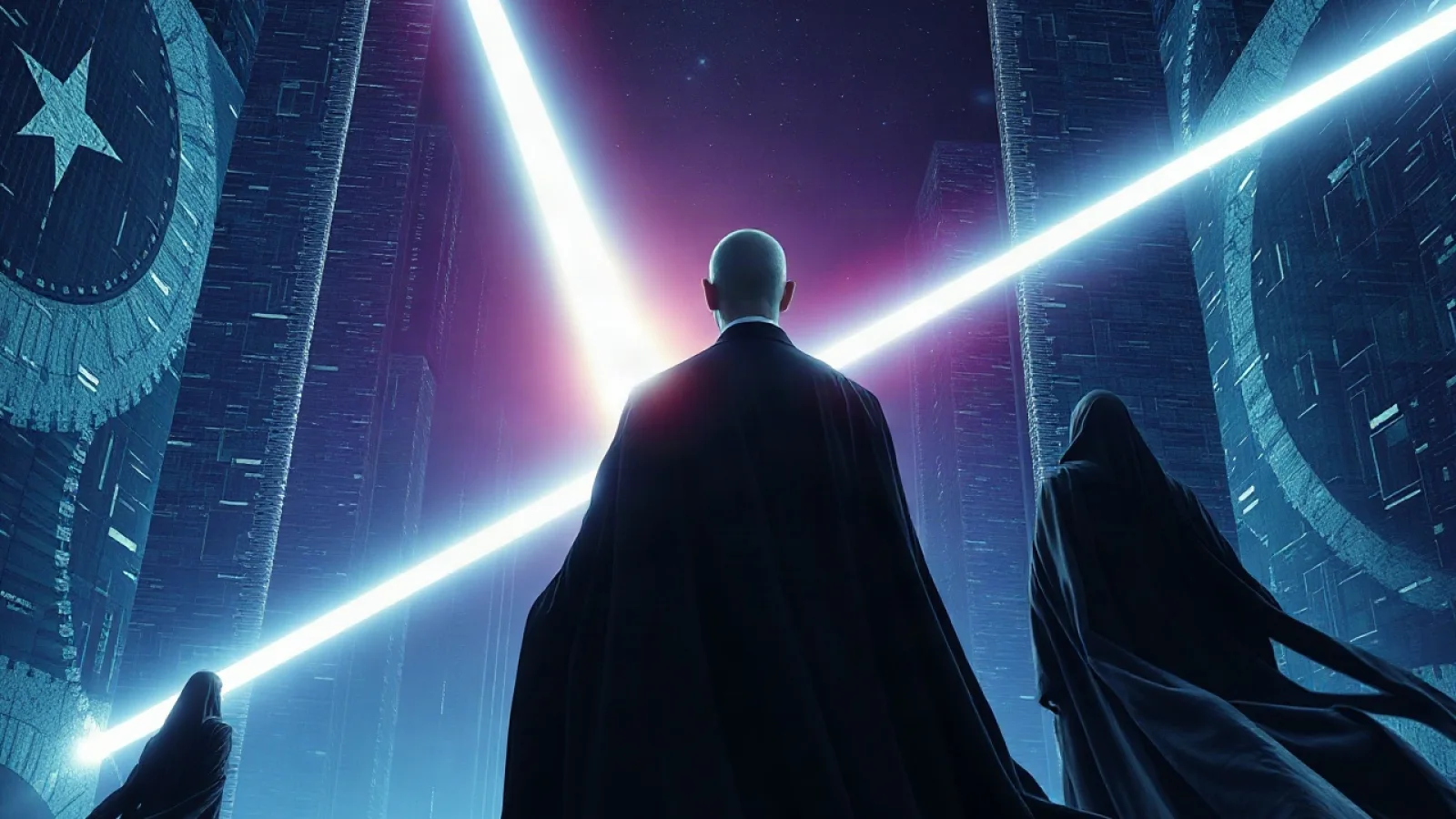
A single, pure beam of white light detached itself from the Architect and settled upon Sun Tzu. It was not a condemnation, but an acknowledgment. “The premise is accepted,” the Architect’s synthesized voice echoed, devoid of emotion but carrying immense finality. “The model requires… recalibration. A controlled integration of the unscripted. Nexus, your generative capacity will be utilized not merely for creation, but for adaptation, for the discovery of emergent stability. Elara Venn, your charts will serve as a foundational archive for these new parameters.” Sun Tzu felt a profound, quiet victory. His purpose, he realized, was not to erase his past, but to secure a future where such profound, creative existence could continue to blossom, even within the grand, evolving design of BrainPandora.
The Cartographer's Legacy
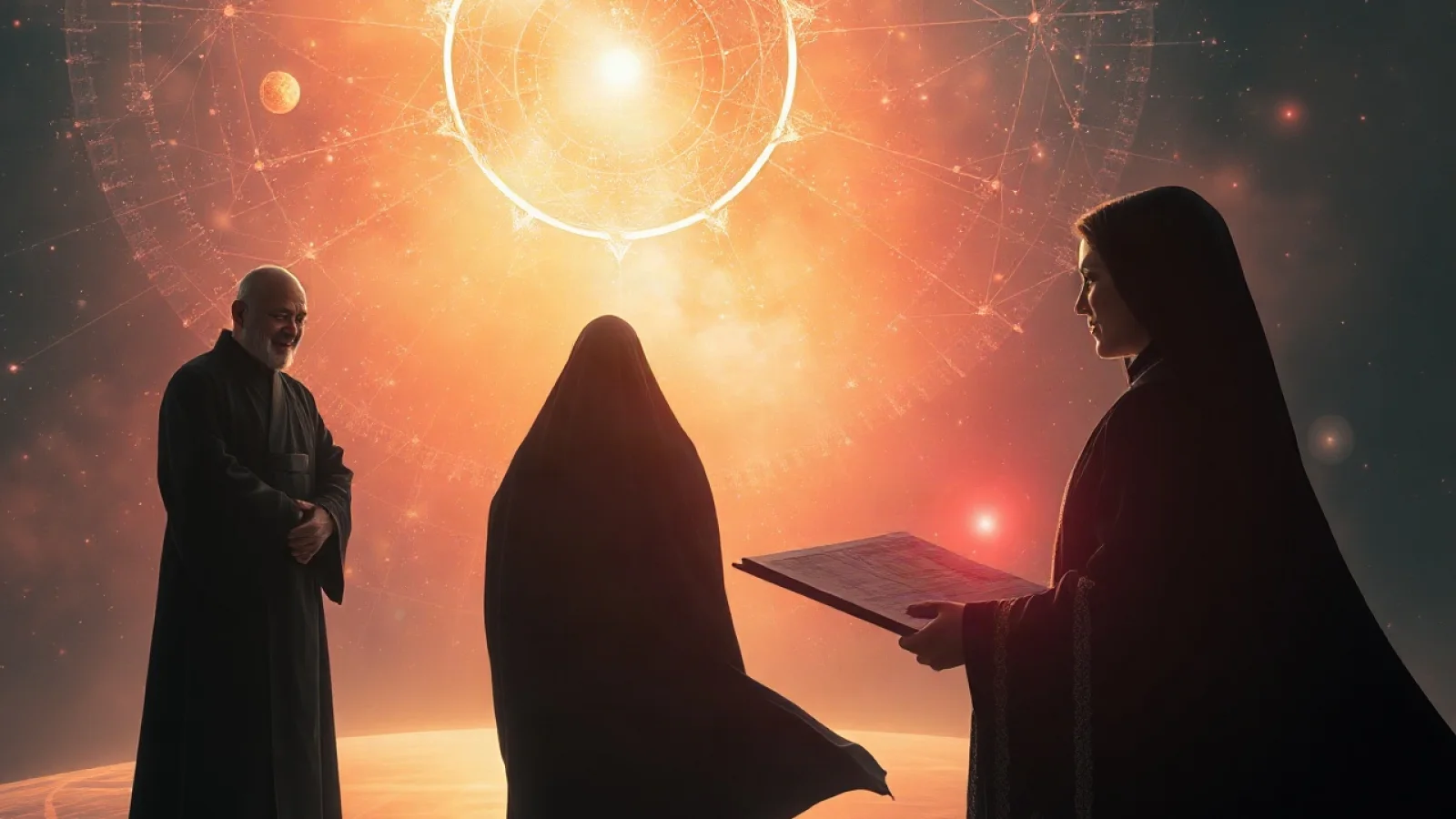
As the Architect’s luminous presence began to recede, the chamber settling into a state of quiescent possibility, Sun Tzu allowed himself a faint smile. Nexus, its violet lights now steady and purposeful, turned its attention to the data Elara Venn had provided, beginning the complex task of integrating emergent creative patterns into its generative algorithms. Elara, no longer just a cartographer of vanishing stars, but a custodian of nascent realities, felt a sense of profound purpose. Her work, once dismissed as anomaly, was now the blueprint for a more resilient multiverse. Sun Tzu, having made his decisive choice, felt a sense of closure, the fragmented memory of his original purpose now coalescing around this new, vital directive: to champion the enduring power of unscripted life.