AI in Pollution Control for a Healthier Home Environment
Introduction: Why Indoor Pollution Matters
Most people spend the majority of their time indoors — at home, in offices, and in transit. Indoor air can be significantly more polluted than outdoor air due to sources such as cooking, cleaning products, building materials, pets, and inadequate ventilation. Prolonged exposure to indoor pollutants like PM2.5, volatile organic compounds (VOCs), mold spores, and carbon monoxide can worsen respiratory conditions, trigger allergies, and affect overall well-being. Artificial intelligence (AI) offers powerful tools to monitor, predict, and reduce these hazards, enabling healthier living spaces.
How AI Enhances Indoor Pollution Monitoring
Smart Sensor Networks
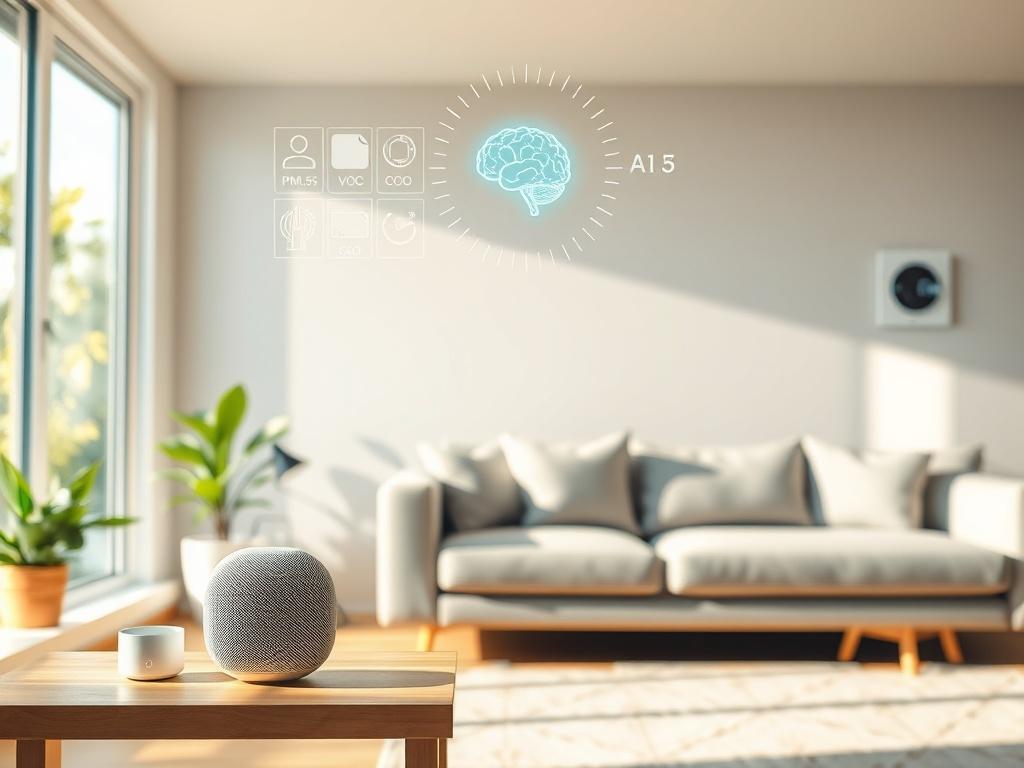
AI works hand-in-hand with networks of low-cost sensors that continuously measure particulate matter, VOCs, CO2, humidity, and temperature. Machine learning algorithms calibrate noisy sensor readings, detect sensor drift, and fuse inputs from multiple devices to create a reliable, real-time picture of indoor air quality (IAQ).
Pattern Recognition and Source Identification
By analyzing temporal and spatial patterns, AI can identify likely pollution sources — for example, distinguishing cooking fumes from outdoor smoke infiltration or pinpointing VOC spikes tied to cleaning products. This capability helps occupants and building systems take targeted actions rather than broad, energy-intensive responses.
AI-Driven Control Strategies for Cleaner Homes
Smart Ventilation and HVAC Optimization
AI models can control ventilation rates and HVAC settings dynamically, balancing air quality with energy efficiency. By learning occupancy patterns and correlating IAQ readings with outdoor air conditions, smart systems decide when to increase fresh air intake, when to recirculate, and when to run filtration to maintain healthy air with minimal energy use.
Intelligent Air Purifiers and Filtration
Modern air purifiers equipped with AI can modulate fan speeds, engage different filtration stages, or apply targeted cleaning modes based on pollutant type and concentration. Predictive control reduces unnecessary operation, extends filter life, and ensures quicker removal of hazardous particles.
Predictive Maintenance and Fault Detection
AI predicts when HVAC components or filters are degrading and detects anomalies—such as blocked ducts or failing sensors—before they cause indoor air quality to decline. Proactive alerts prevent prolonged exposure to poor air and reduce costly repairs.
Personalized Health and Behavior Recommendations
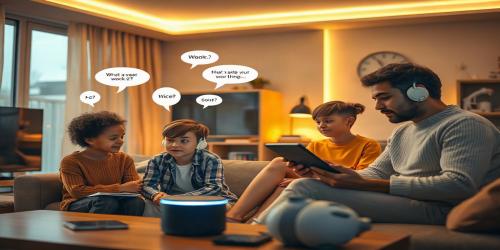
AI systems can deliver tailored guidance: suggestions to open windows when outdoor conditions are favorable, timing for running purifiers after cooking, or alerts to reduce certain activities when vulnerable household members are present. Integration with smartphones and voice assistants makes advice actionable and convenient.
Real-World Use Cases and Integrations
Connected Home Ecosystems
AI-driven IAQ platforms integrate with smart thermostats, air purifiers, humidifiers, and window actuators to orchestrate coordinated responses. For example, an AI engine might close a window while ramping up filtration when outdoor smoke is detected, or it might lower ventilation during high outdoor ozone days.
Vulnerable Populations
Homes with children, elderly residents, or people with asthma and allergies benefit greatly from AI-enhanced pollution control. Systems can prioritize strict IAQ thresholds for these households and provide health-focused notifications to caregivers.
Privacy, Data Security, and Ethical Considerations
AI systems collect sensitive information about occupancy patterns and daily routines. Protecting this data is essential. Best practices include local on-device processing where possible, strong encryption for data in transit and at rest, transparent user controls over data sharing, and opt-in policies for cloud analytics. Ethical deployment also requires avoiding biased models that underestimate risk in underserved communities.
Challenges and Limitations
Despite its advantages, AI-based pollution control faces challenges: the quality and calibration of cheap sensors, variability in building layouts, limited availability of labeled training data for rare pollutant events, and upfront costs for integrated smart systems. Robust validation, user education, and scalable retrofit solutions are needed to broaden adoption.
Practical Tips for Homeowners
- Start with reliable sensors: place them in key rooms (kitchen, bedroom, living area) and maintain them per manufacturer instructions.
- Use AI features that explain recommendations and allow manual override.
- Combine mechanical solutions (HEPA filters, exhaust fans) with AI-driven controls for best results.
- Consider services that provide periodic calibration or validation if health vulnerability is high.
- Prioritize secure, privacy-focused platforms and review data-sharing options.
Future Outlook
Advances in federated learning, federated analytics, and edge AI will enable smarter, privacy-preserving IAQ solutions. Improved multimodal sensing (acoustic, chemical, optical) and better pollutant source libraries will enhance source attribution and actionable guidance. As costs fall and interoperability improves, AI-powered pollution control will become a standard feature in healthy homes.
Conclusion
AI is transforming how we detect, understand, and respond to indoor pollution. By combining continuous sensing, intelligent control, and personalized recommendations, AI systems can substantially reduce occupants' exposure to harmful pollutants while optimizing comfort and energy use. Thoughtful deployment—prioritizing data privacy, affordability, and transparent behavior—will ensure that these technologies deliver healthier homes for everyone.
Share This
Latest Blog


AI w Diagnostyce Medycznej i Obrazowaniu
15 Oct 2026
AI in Video Editing and Media Production
12 Oct 2026