AI in Video Editing and Media Production
The Dawn of the Intelligent Editor: AI's Revolution in Video Production
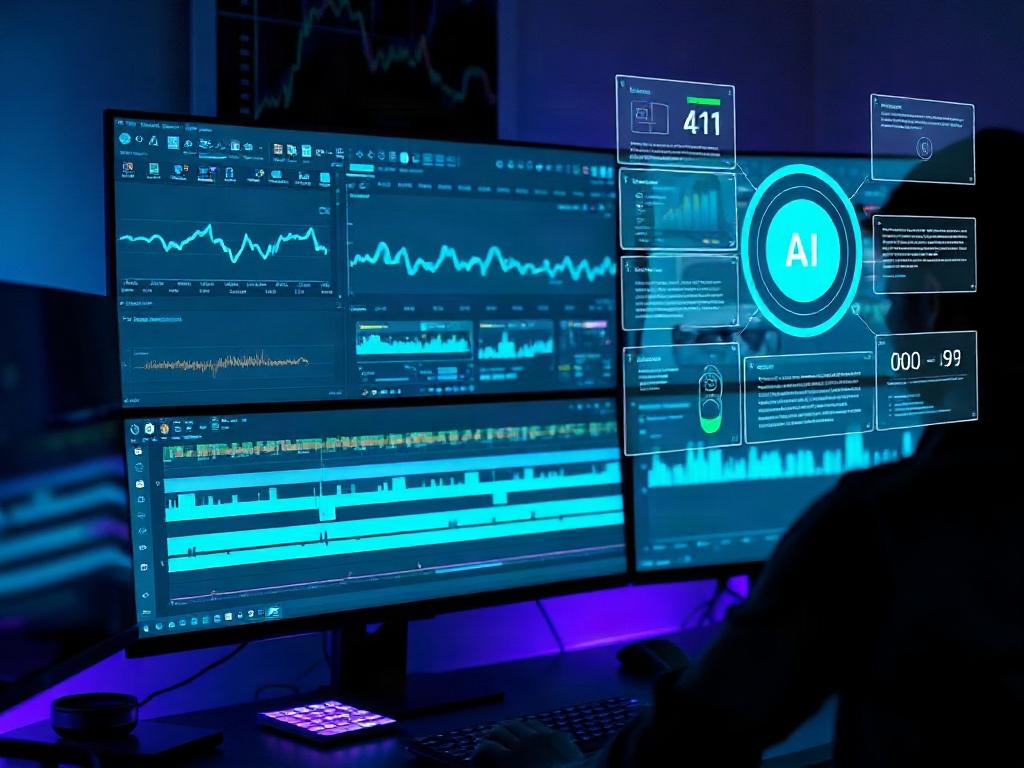
The world of video editing and media production is undergoing a seismic shift, and at the epicenter of this transformation lies Artificial Intelligence (AI). Once a realm dominated by meticulous manual labor and hours of painstaking work, video editing is rapidly evolving into a more streamlined, efficient, and creatively expansive process thanks to the integration of AI-powered tools. From automatic transcriptions to intelligent scene detection and even content generation, AI is proving to be an indispensable ally for creators.
Streamlining the Workflow: AI as a Time-Saving Powerhouse
One of the most immediate impacts of AI in video editing is its ability to automate tedious and repetitive tasks. Consider the laborious process of transcribing dialogue. AI-powered tools can now achieve near-perfect transcriptions in a fraction of the time it would take a human, allowing editors to quickly search for specific words, create captions, and even generate subtitles automatically. This alone frees up significant creative energy.
Beyond transcription, AI excels at tasks like:
Scene Detection and Segmentation:
AI algorithms can analyze footage and automatically identify distinct scenes or shots. This helps in organizing vast amounts of raw footage, making it easier for editors to locate and select the best takes for their project.
Automatic Color Correction and Grading:
Achieving a consistent and visually appealing look can be challenging. AI can analyze footage and suggest or automatically apply color corrections and grading, ensuring a professional and cohesive aesthetic across different clips.
Noise Reduction and Audio Enhancement:
Poor audio quality can ruin an otherwise great video. AI tools can effectively reduce background noise, equalize audio levels, and even enhance speech clarity, leading to a more polished final product.
Object and Face Recognition:
Need to find all clips featuring a specific person or object? AI can identify and tag these elements within your footage, allowing for incredibly fast searches and efficient editing.
Enhancing Creativity: AI as a Collaborative Partner
While AI is a powerful tool for efficiency, its potential extends far beyond mere automation. It's also becoming a creative collaborator, opening up new possibilities for storytelling and visual expression.
Intelligent Content Generation:
AI is beginning to generate entirely new video content, from short marketing clips to explainer videos, based on textual prompts or existing data. While still in its nascent stages, this has the potential to democratize content creation even further.
Smart Editing Suggestions:
Some AI tools can analyze footage and suggest editing sequences, transitions, or even music placements based on the content and desired mood. This can be particularly helpful for beginners or when facing creative blocks.
Style Transfer and Visual Effects:
AI can be used to apply artistic styles from famous paintings or other videos to your own footage, creating unique visual aesthetics. Advanced AI is also being used for complex visual effects that were once only achievable by large studios.
The Future is Intelligent: Navigating the Evolving Landscape
The integration of AI in video editing and media production is not a fleeting trend; it's a fundamental shift that will continue to redefine the industry. As AI technologies become more sophisticated, we can expect to see even more groundbreaking applications, such as:
- AI-powered real-time editing assistants that provide instant feedback and suggestions.
- Advanced AI for automatically generating different video formats and aspect ratios optimized for various platforms.
- More sophisticated AI for understanding narrative structure and automatically assembling rough cuts that capture the essence of a story.
For content creators, embracing AI is no longer optional; it's essential for staying competitive and unlocking new levels of creativity. The intelligent editor is here, and the future of media production is brighter and more innovative than ever before.
Share This
Latest Blog

L'Impact de l'IA sur l'Art Numérique
09 Oct 2026