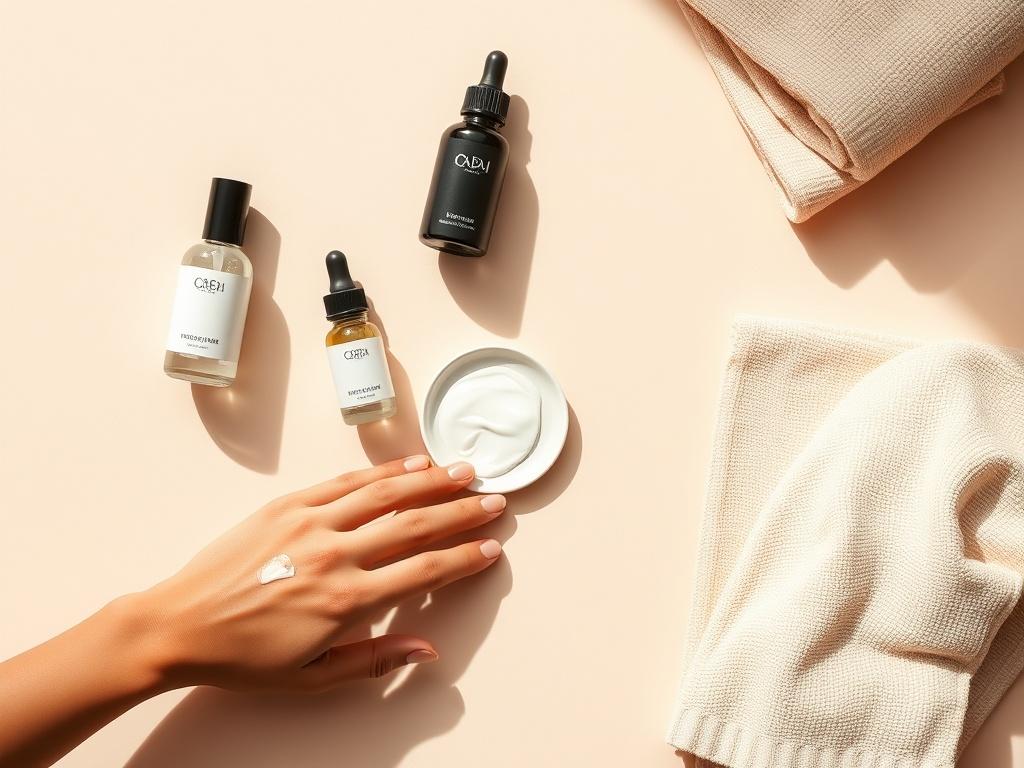
Beauty & Skincare: Essential Tips for Healthy, Radiant Skin
Introduction
Achieving healthy, radiant skin is less about following every trend and more about consistent, thoughtful care. Whether you're new to skincare or refining an existing routine, understanding your skin and choosing the right habits and ingredients will make a lasting difference. This article breaks down practical, science-backed tips to help you build an effective skincare regimen and maintain a glowing complexion.
Know Your Skin Type
Identifying your skin type is the foundation of any effective routine. Common categories include oily, dry, combination, normal, and sensitive. Observe how your skin behaves throughout the day: does it feel tight after washing (dry), shine through the T-zone (combination) or appear oily soon after cleansing (oily)? Tailor products to your skin's tendencies—moisturizers for dry skin, lightweight, non-comedogenic formulas for oily skin, and calming, fragrance-free options for sensitive skin.
Daily Routine Essentials
1. Gentle Cleansing
Cleanse twice daily to remove dirt, oil, and pollutants. Choose a gentle cleanser that preserves the skin’s natural barrier—avoid harsh soaps and over-exfoliating cleansers that strip moisture. For makeup wearers, consider a double-cleanse at night: an oil-based cleanser first, followed by a mild water-based cleanser.
2. Hydration and Moisturizing
Hydration starts with water-binding ingredients like hyaluronic acid and glycerin, while moisturizers seal in that hydration with occlusives and emollients. Use a lightweight, hydrating serum or essence under your moisturizer if your skin is dehydrated. Even oily skin benefits from oil-free, gel-based moisturizers to maintain barrier health.
3. Sun Protection
Sunscreen is the single most important skincare product for preventing premature aging, hyperpigmentation, and skin cancer. Apply a broad-spectrum sunscreen of at least SPF 30 every morning, and reapply every two hours when outdoors. Incorporate sun-protective habits like wearing hats and seeking shade to enhance protection.
Targeted Treatments
Serums and Actives
Serums deliver higher concentrations of active ingredients. Popular, well-researched actives include vitamin C for brightening and antioxidant protection, niacinamide for barrier support and oil regulation, and hyaluronic acid for hydration. Introduce one active at a time and monitor your skin's response.
Retinoids and Exfoliants
Retinoids (retinol and prescription derivatives) are powerful for improving texture, reducing fine lines, and reducing acne. Start gradually—use a low concentration once or twice a week and increase as tolerated. Chemical exfoliants like AHAs (glycolic, lactic) and BHAs (salicylic) help with cell turnover and pore clarity; avoid overuse and combine them thoughtfully with retinoids to reduce irritation risk.
Ingredients to Embrace and Avoid
Look for stable vitamin C (ascorbic acid or derivatives), niacinamide, peptides, ceramides, and antioxidants. Avoid or limit potentially irritating ingredients if you have sensitive skin—many fragranced products, high concentrations of alcohol, and strong essential oils can cause reactions. When introducing new ingredients, patch test and incrementally add them to your routine.
Addressing Common Concerns
Acne-Prone Skin
Use non-comedogenic, oil-free formulations, and consider salicylic acid for unclogging pores. Benzoyl peroxide can reduce acne-causing bacteria; combine it carefully with other actives to avoid excessive dryness. For persistent or severe acne, consult a dermatologist for prescription options.
Aging and Fine Lines
Consistent sunscreen use, topical retinoids, and antioxidant serums are the cornerstone for preventing and treating signs of aging. Peptides and ceramide-rich moisturizers support skin structure and barrier repair, improving resilience over time.
Hyperpigmentation
Ingredients such as vitamin C, niacinamide, azelaic acid, and targeted brighteners (like tranexamic acid and kojic acid) can help fade dark spots. Combining topical treatments with diligent sun protection yields the best results.
Lifestyle Factors That Impact Skin
Healthy skin is supported by sleep, hydration, balanced nutrition, and stress management. Aim for adequate sleep to support cellular repair, drink water to aid hydration (alongside topical moisturizers), and maintain a diet rich in antioxidants, healthy fats, and vitamins. Smoking and excessive alcohol can accelerate aging, so minimizing these habits benefits skin health.
Seasonal and Environmental Adjustments
Adapt your routine to changes in weather. In winter, switch to richer moisturizers and consider humidifiers to combat indoor dryness. In summer, lighten up on heavy creams and increase sun protection. For polluted environments, incorporate antioxidants and thoroughly cleanse skin each evening.
DIY Skincare: Proceed with Caution
Home remedies can be appealing but are often unpredictable and sometimes harmful. Ingredients like lemon juice, undiluted essential oils, and baking soda can damage the skin barrier. If you enjoy DIY masks, stick to gentle, well-researched recipes and patch test first.
When to See a Professional
If you experience persistent redness, severe acne, sudden skin changes, or signs of infection, consult a dermatologist. Professional treatments—chemical peels, lasers, prescription retinoids, or medical-grade topical agents—can address concerns more effectively than over-the-counter options in many cases.
Final Thoughts
Beautiful skin is achievable through simple, consistent habits: identify your skin type, protect it from the sun, hydrate appropriately, and introduce active ingredients carefully. Patience is key—most changes take weeks to months to become noticeable. Prioritize barrier health, avoid over-treating, and seek professional guidance when needed to keep your skin healthy and radiant for years to come.
Share This
Latest Blog


AI w Diagnostyce Medycznej i Obrazowaniu
15 Oct 2026
AI in Video Editing and Media Production
12 Oct 2026