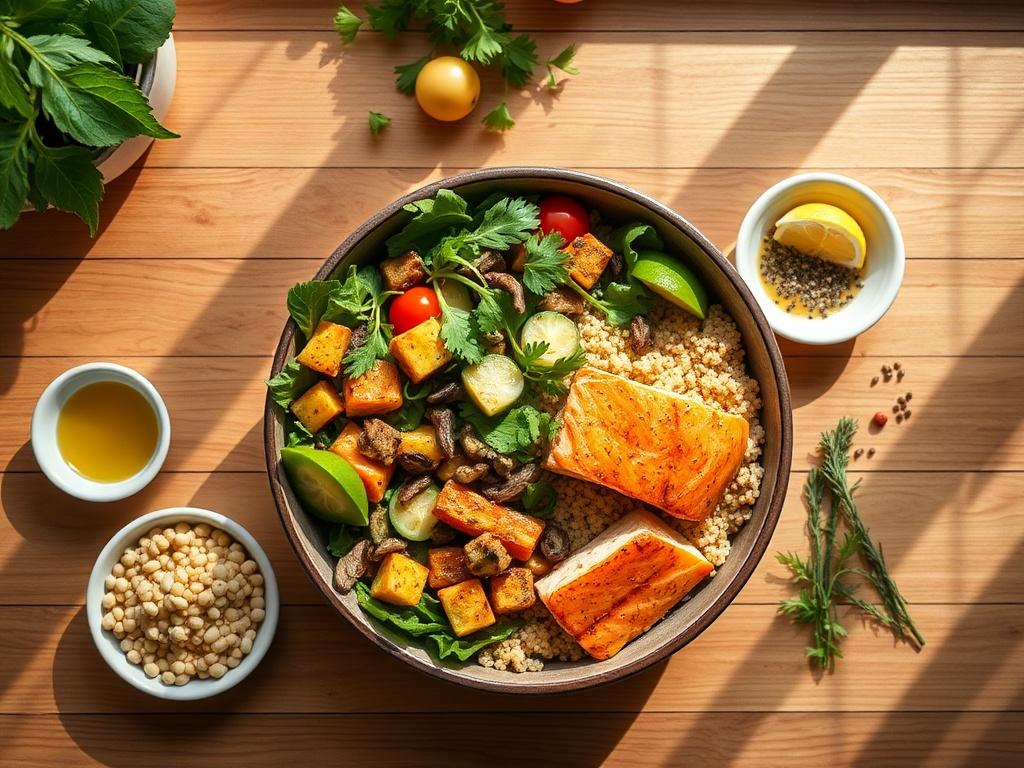
Cooking Healthy Meals
Why Cooking Healthy Meals Matters
Preparing healthy meals at home gives you control over ingredients, portion sizes, and cooking methods. Home-cooked food tends to be fresher, lower in hidden sugars, sodium, and unhealthy fats, and can be more budget-friendly than eating out. Beyond nutrition, cooking can be a creative and calming activity that helps you build sustainable habits for long-term health.
Start with a Simple Plan
Begin by planning meals for the week. A simple plan reduces last-minute unhealthy choices and grocery waste. Choose a few proteins, a selection of vegetables, whole grains, and a couple of flavoring options like herbs, citrus, and a few pantry spices. Planning doesn’t have to be rigid—pick themes for each night (e.g., grain bowl, stir-fry, soup) and rotate favorites.
Smart Grocery Shopping
Shop with a list and stick to the perimeter of the store where fresh produce, lean meats, and dairy are usually located. Prioritize whole foods: seasonal vegetables and fruits, legumes, whole grains like brown rice or quinoa, and lean proteins such as chicken, fish, tofu, or beans. Read labels for added sugars and sodium when buying packaged items, and choose minimally processed options when possible.
Healthy Cooking Methods
Choose cooking techniques that preserve nutrients and reduce added fats. Steaming, roasting, grilling, and baking are excellent choices. Sautéing with a small amount of healthy oil (olive or avocado) and using nonstick pans can minimize oil usage. Slow cooking and pressure cooking are convenient for tender, flavorful meals with little added fat.
Portion and Balance
Build balanced plates: half filled with non-starchy vegetables, a quarter with lean protein, and a quarter with whole grains or starchy vegetables. Including healthy fats in moderate amounts—such as olive oil, nuts, or avocado—improves satiety and nutrient absorption. Pay attention to portion sizes, especially for calorie-dense ingredients like oils, nuts, and cheese.
Flavor Without Excess Calories
Use herbs, spices, citrus zest, vinegar, and aromatics like garlic and ginger to add depth without extra calories. Homemade marinades and dressings based on yogurt, olive oil, lemon, mustard, or blended vegetables are healthier than many store-bought varieties. Toasting spices briefly in a dry pan releases oils and boosts flavor without adding fat.
Healthy Substitutions That Work
Small swaps can make a big difference: use Greek yogurt instead of sour cream, mashed avocado or nut butter instead of mayonnaise, whole-grain flour for baking, spiralized vegetables for pasta, and cauliflower rice instead of white rice for lower carbs. These substitutions maintain texture and taste while improving the nutritional profile.
Meal Prepping and Time-Saving Tips
Batch-cook staples like grains, roasted vegetables, and proteins at the start of the week. Store components separately to mix into salads, wraps, or bowls. Pre-chop vegetables and portion snacks into containers to make healthy choices easier. Use one-pan or sheet-pan recipes to reduce cleanup and save time without sacrificing variety.
Quick Healthy Meal Ideas
Try a Mediterranean-style salad with mixed greens, chickpeas, cherry tomatoes, cucumbers, olives, feta, and a lemon-olive oil dressing; a stir-fry with firm tofu or shrimp, colorful vegetables, garlic, ginger, and a splash of low-sodium soy sauce over brown rice; or a hearty vegetable and lentil soup with whole-grain bread. Simple breakfasts include overnight oats with fruit and nuts or scrambled eggs with spinach and whole-grain toast.
Storage, Reheating, and Food Safety
Cool cooked foods quickly and store them in airtight containers in the refrigerator for up to 3–4 days. Freeze portions for longer storage and thaw safely in the refrigerator overnight. Reheat thoroughly to safe internal temperatures and add a splash of water or broth when reheating rice or grains to restore moisture. Label containers with dates to avoid forgotten leftovers.
Sustain Habits Without Perfection
Healthy cooking is about consistency, not perfection. Allow for flexibility—occasional treats or takeout are fine within an overall balanced approach. Experiment with new recipes, involve family or friends in cooking, and celebrate small wins like adding an extra vegetable to a meal or trying a new whole grain.
Final Practical Tips
Keep a stocked pantry of essentials: olive oil, vinegars, dried herbs and spices, canned beans, whole grains, and frozen vegetables. Invest in a few versatile tools such as a good knife, a baking sheet, a heavy skillet, and a slow cooker or Instant Pot. Start small by improving one meal per day, and gradually expand those habits as you gain confidence.
Cooking healthy meals is achievable with planning, simple techniques, and thoughtful ingredient choices. Over time, these choices become the foundation of a healthier lifestyle that tastes great and fits your schedule.
Share This
Latest Blog


AI w Diagnostyce Medycznej i Obrazowaniu
15 Oct 2026
AI in Video Editing and Media Production
12 Oct 2026