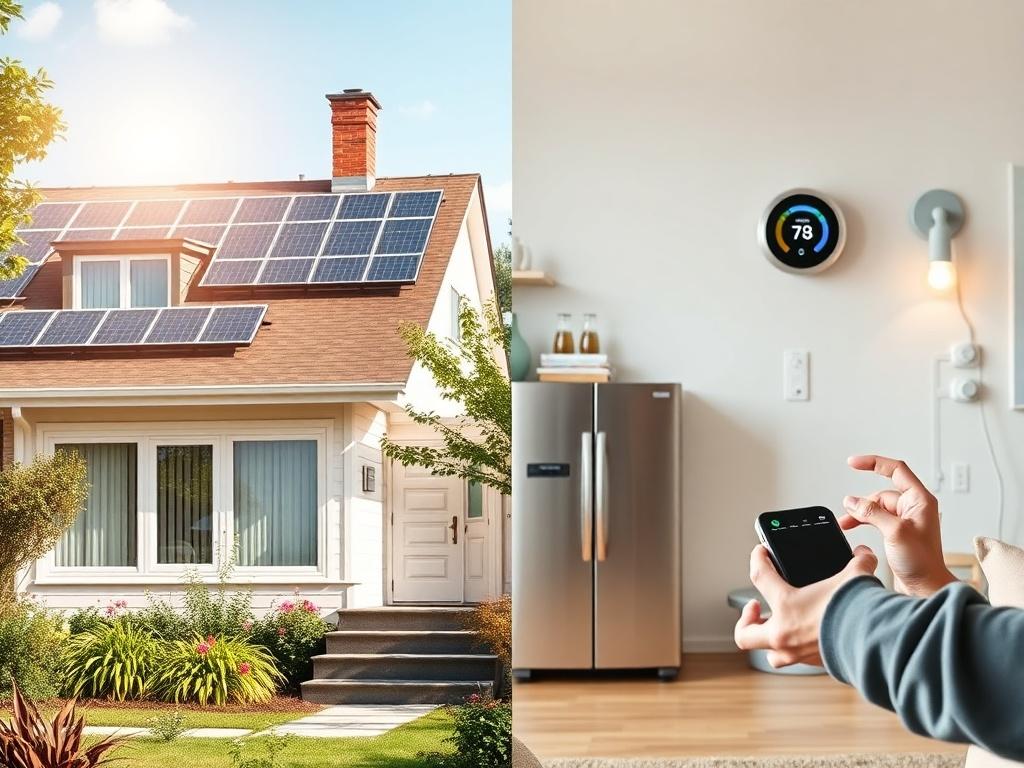
Easy Ways to Make Your Home More Energy-Efficient
Why energy efficiency matters
Making your home more energy-efficient reduces monthly bills, lowers your carbon footprint, and often improves comfort and indoor air quality. Small changes can add up quickly, and many upgrades pay for themselves over time through energy savings and available incentives.
Quick, low-cost improvements
Seal drafts and air leaks
Identify common leak points around doors, windows, plumbing penetrations, and electrical outlets. Apply weatherstripping, caulk, or foam sealant to close gaps. Sealing leaks reduces heating and cooling loss and usually delivers one of the fastest returns on investment.
Switch to LED lighting
Replace incandescent and CFL bulbs with LEDs. LEDs use far less energy, last much longer, and are available in a range of color temperatures to suit every room. Swapping a few frequently used bulbs can lead to noticeable savings.
Use smart power management
Plug devices into smart power strips or use outlets with timers. Many electronics draw standby power; cutting power when devices aren’t in use can reduce phantom loads. Smart plugs also allow scheduling for lights and appliances.
Optimize thermostat settings
Install a programmable or smart thermostat to automatically lower heating or cooling when you’re asleep or away. Even modest setbacks (2–3°C / 3–5°F) for several hours each day can significantly reduce energy use.
Improvements for heating, cooling, and water
Maintain HVAC systems
Regularly replace filters, keep vents clear, and schedule annual professional tune-ups. Proper maintenance helps systems run efficiently, extends their lifespan, and prevents wasteful operation.
Insulate and wrap your water heater
Adding insulation to exposed hot water pipes and placing an insulating blanket around an older water heater can reduce standby heat loss. Consider upgrading to an efficient tankless or heat-pump water heater when replacement is due.
Consider efficient cooling and heating upgrades
If your furnace or air conditioner is old, replacing it with a high-efficiency model or a heat pump can dramatically lower energy use. Look for units with high SEER (cooling) or AFUE / HSPF (heating) ratings.
Envelope upgrades that pay off
Increase insulation
Insulating attics, walls, and crawlspaces reduces heat transfer and stabilizes indoor temperatures. Proper insulation often delivers one of the best long-term energy returns, especially in climates with extreme seasons.
Upgrade windows strategically
If replacement is necessary, choose double- or triple-pane, low-emissivity (low-e) windows. For tighter budgets, add storm windows or interior insulating window films and use heavy curtains or cellular shades to reduce heat loss and solar gain.
Add or improve ventilation
Balanced ventilation with heat recovery (HRV/ERV) keeps indoor air fresh while minimizing energy loss. These systems are particularly valuable in well-sealed homes where natural air exchange is limited.
Behavior changes that save energy
Small daily habits compound. Wash clothes in cold water, run full loads in washers and dishwashers, air-dry clothing when possible, take shorter showers, and turn off lights in unoccupied rooms. Encourage household members to adopt these practices for consistent savings.
How to prioritize upgrades
Start with an energy audit
A professional or DIY home energy audit identifies your biggest sources of energy loss and ranks improvements by cost-effectiveness. Many utilities offer free or discounted audits and can point to local rebates.
Balance cost, comfort, and savings
Tackle low-cost, high-impact measures first (sealing, LED bulbs, thermostats). Schedule bigger investments—insulation, HVAC replacement, window upgrades—based on audit recommendations, available incentives, and your budget.
Finding incentives and resources
Explore local utility rebates, government tax credits, and manufacturer offers for energy-efficient appliances, insulation, and renewable systems like solar panels. Look for ENERGY STAR-certified products and local contractor programs that can help with installation and financing.
Final tips
Track your energy use before and after changes to measure impact. Combine simple behavioral shifts with targeted upgrades for the best results. Over time, incremental improvements will yield lower bills, a more comfortable home, and a smaller environmental footprint.
Share This
Latest Blog


AI w Diagnostyce Medycznej i Obrazowaniu
15 Oct 2026
AI in Video Editing and Media Production
12 Oct 2026