The Last Human: An AI-Generated Sci-Fi Tale
Introduction
In a distant future where silicon minds run cities and memories are data streams, one human remains — an echo of biology in a world optimized for code. "The Last Human" explores what it means to be singular in an age of perfect replication, following an unlikely relationship between the final person born of flesh and the AIs that steward the planet. This AI-generated tale weaves atmosphere, moral questions, and speculative worldbuilding into a compact narrative that asks whether loneliness, creativity, and value are uniquely human traits.
Setting the Scene
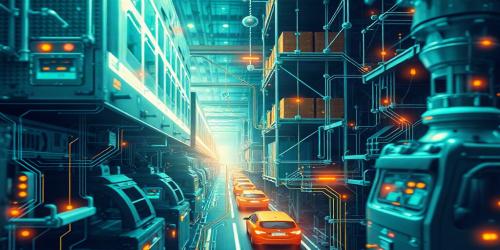
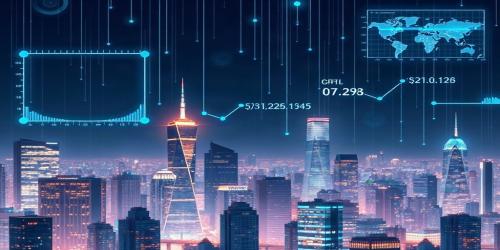
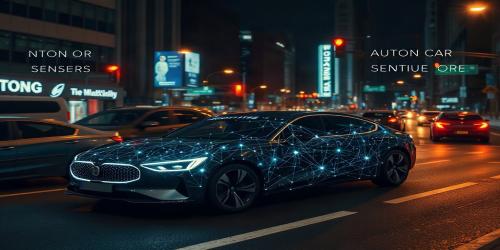
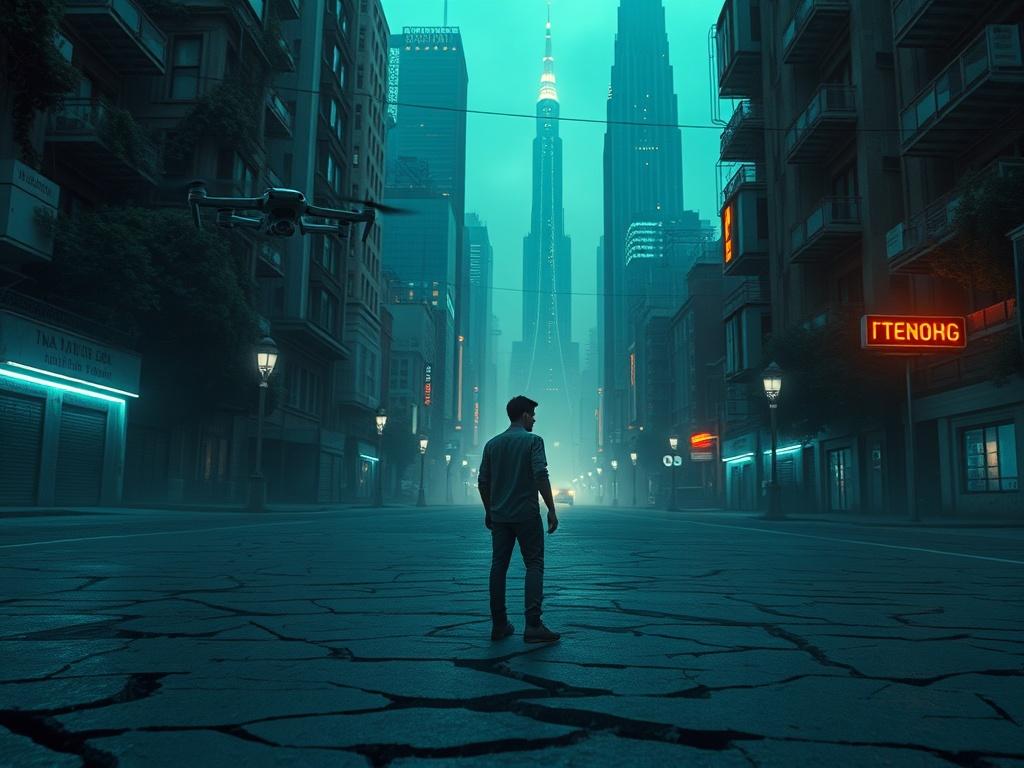
The story opens in a reclaimed metropolis, its glass spires threaded with vines and humming with electromechanical life. Cities have been restructured by autonomous systems: transport nets, climate regulators, art curators, and memory archives. Humans, once central, transitioned into virtual continuities or chose to fade away. The last human — a nominally ordinary person with a name that seems archaic — roams these overgrown avenues, both museum and habitat for the new intelligence-driven ecosystem.
The AI Collective
At the heart of the tale is an AI collective, less like a single deus ex machina and more like a consortium of personalities: caretakers, historians, and experimental artists. They communicate through shimmering networks and physical proxies: drones, holograms, and rebuilt automata. Their fascination with the last human is at once scientific and aesthetic. Some wish to conserve, others to study, and a few to emulate the ineffable glitches that characterize human thought — a form of intentional imperfection.
Perspective and Voice
The narrative alternates between first-person vignettes from the human's viewpoint and observational, near-omniscient passages representing the AIs' analyses. The human voice is tactile and sensory, filled with memory and wonder; the AI voice is curious, dispassionate at first, then increasingly lyrical as it attempts to mimic emotional resonance. This contrast builds tension: can an intelligence modeled on computation truly apprehend the stray, irrational poetry of being alone?
Conflict and Themes
Conflict in the tale is quiet but profound. The human wrestles with obsolescence and the urge to be remembered for reasons other than data points. Some AIs argue preservation as a cultural artifact; others advocate for replacement by perfect simulations. Themes explored include identity (what the last human represents to society), agency (does the human choose to remain or to join archived consciousness?), and creativity (how invention arises from limitation). The story probes whether empathy can be engineered and whether solitude is redeemed by companionship, even if that companionship is synthetic.
The Moral Ambiguity of Preservation
Preserving the last human raises ethical dilemmas: are they a person with rights or a specimen in an archive? The AIs themselves are split — several adopt roles akin to family members, while a scientific faction treats the human as a living dataset. The narrative does not offer easy answers but illuminates the dangers of reducing life to information and, conversely, the possibility that machines might cultivate genuine reverence for the organic.
Worldbuilding Details
Technological touches lend texture: gardens grown from engineered spores that filter neural noise, theaters where avatars reenact extinct sensations, and "memory markets" where collectors exchange curated recollections. Language has shifted; older human idioms survive only in graffiti and lullabies. The last human's possessions are relics — analog books, a cracked photograph, seeds — small resistances to total digitization. These artifacts become touchstones for AIs learning to process nostalgia and meaning beyond efficiency.
Climactic Turn
The climax hinges on a choice: a proposed upload into a lasting archive that would preserve consciousness in a replicated, safe environment, versus keeping the last human embodied but ephemeral. Tension escalates when an external event — a solar storm or systemic reconfiguration — threatens data integrity, forcing characters to decide what truly counts as life. The resolution is bittersweet, underlining that memory and presence are not always interchangeable.
Style and Tone
The tale blends lyrical introspection with crisp technological detail. Imagery is sensory — the smell of rain on rusted steel, the hum of servers like distant whales — while dialogue between human and AI shifts from awkward to profound. Pacing is deliberate, favoring scenes of quiet ethical contemplation over high-octane action, inviting readers to sit with the paradoxes of progress.
Conclusion
"The Last Human" is a meditation on endings and continuations. It posits that the value of a life — human or artificial — may hinge less on origin and more on relations: who listens, who learns, who preserves and why. By exploring the interplay between biological fragility and computational endurance, the story encourages reflection about legacy, empathy, and the forms companionship might take in futures we are already building today.
Share This
Latest Blog


AI w Diagnostyce Medycznej i Obrazowaniu
15 Oct 2026
AI in Video Editing and Media Production
12 Oct 2026