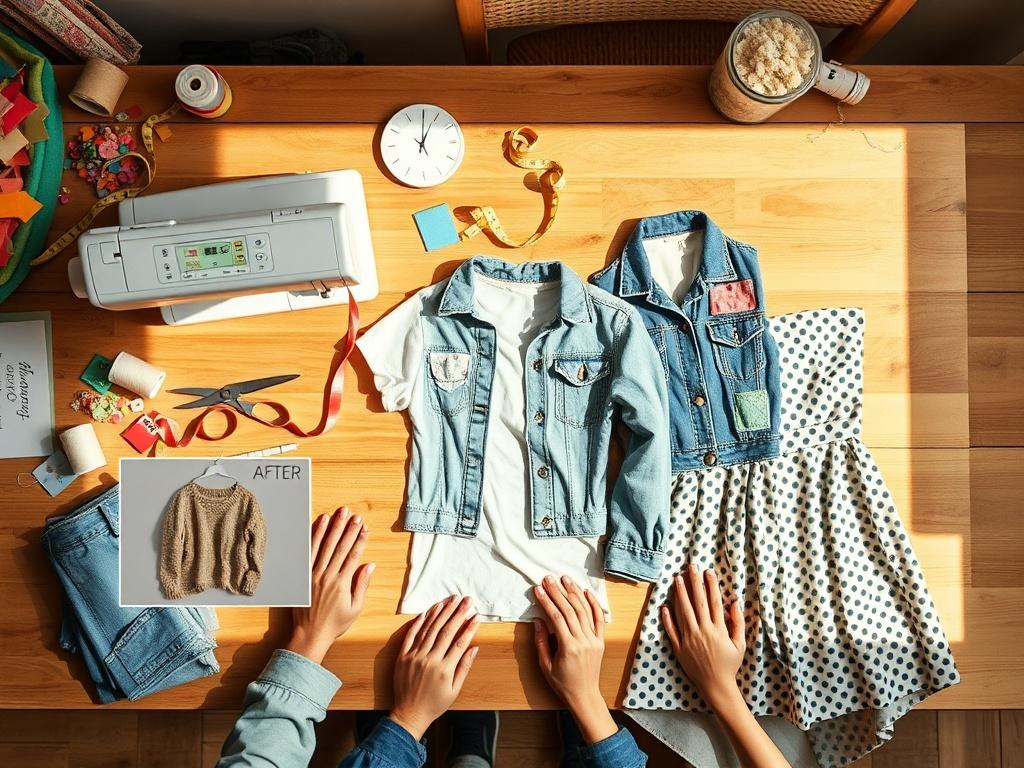
Upcycling Old Clothes into Trendy New Pieces
Why Upcycling Matters
Upcycling old clothes transforms garments destined for the landfill into fresh, stylish pieces while reducing waste and conserving resources. Beyond being eco-friendly, upcycling allows you to express personal style, save money, and breathe new life into sentimental items. Small changes—patches, cuts, or dye—can completely reinvent an item and make it uniquely yours.
Getting Started: What You Need
Begin with a simple kit: a basic sewing kit (needles, thread, scissors), fabric glue, a seam ripper, measuring tape, pins, and optional tools like a sewing machine or iron. Collect embellishments such as buttons, trims, lace, and patches. When choosing garments to upcycle, look for sturdy fabrics and interesting details—collars, prints, or embroidery—that you can highlight or repurpose.
Simple Techniques for Big Impact
Start with approachable techniques that require minimal experience. Hemming and shortening can modernize a skirt or dress. Adding patches or fabric panels can refresh worn areas and introduce contrast. Dyeing or bleaching creates bold color changes, while strategic cutting—such as turning a long tee into a cropped top or converting jeans into shorts—gives old items a contemporary silhouette.
Transformations You Can Try Today
Turn oversized shirts into fitted blouses by adding darts or a gathered waistband. Convert a dress into a skirt by removing the bodice and finishing the waist. Use sleeves from one garment as decorative ruffles on another. Combine two mismatched pieces—like a patterned shirt and plain skirt—to create color-blocked outfits. Even adding a few well-placed safety-pinned pleats or a belt can change the whole vibe.
Design Tips and Styling Ideas
Think color, texture, and proportion. Pair upcycled statement pieces with simple basics to let the craftsmanship shine. Mix vintage fabrics with contemporary cuts for a modern-retro look. Consider seasonal adaptations—layer a sleeveless upcycled top over a turtleneck for cooler months or style high-waisted upcycled shorts with a lightweight blouse for summer. Accessorize with scarves, belts, and jewelry to complete the look.
Advanced Upcycling: Sewing and Reconstruction
For those ready to level up, try more advanced reconstruction projects like refashioning a coat from multiple garments or creating a patchwork jacket. Learn basic patterns and how to alter seams. Reinforce stress points and finish raw edges to ensure durability. Experimentation is key—test techniques on inexpensive thrift finds before altering treasured pieces.
Sourcing Materials and Inspiration
Thrift stores, yard sales, and your own closet are great sources of fabric and garments to upcycle. Ask friends or family for pieces they no longer wear. Use online platforms and social media for pattern ideas and step-by-step tutorials. Local repair cafes or community sewing groups can offer guidance, tools, and a supportive space to learn.
Costs, Time, and Sustainability Impact
Upcycling usually costs less than buying new clothing, especially when starting with items you already own. Time investment varies: small repairs may take minutes, while full reconstructions can take several hours. The sustainability benefits are significant—extending the life of garments reduces textile waste and the environmental footprint of clothing production.
Care and Longevity
To keep upcycled pieces looking great, follow fabric-specific care instructions and reinforce altered seams. Store items properly and mend small issues promptly to avoid larger repairs later. Thoughtful care helps maintain the quality and ensures your upcycled wardrobe lasts for years.
Turning Upcycled Pieces into a Small Business
If you enjoy upcycling, consider selling your creations. Start with a few standout pieces, photograph them well, and list on marketplaces or social media. Share the story behind each item—materials, techniques, and inspiration—to attract customers who value sustainability and unique design. Pricing should reflect materials, time, and craftsmanship.
Final Thoughts
Upcycling old clothes into trendy new pieces is creative, practical, and planet-positive. Whether you’re refreshing a single favorite item or building a sustainable wardrobe, upcycling empowers you to design clothing that reflects your individuality. With a few basic tools, a dash of creativity, and willingness to experiment, you can turn yesterday’s garments into tomorrow’s fashion statements.
Share This
Latest Blog


AI w Diagnostyce Medycznej i Obrazowaniu
15 Oct 2026
AI in Video Editing and Media Production
12 Oct 2026