AI and Automation Revolutionizing Manufacturing
The Dawn of Intelligent Factories
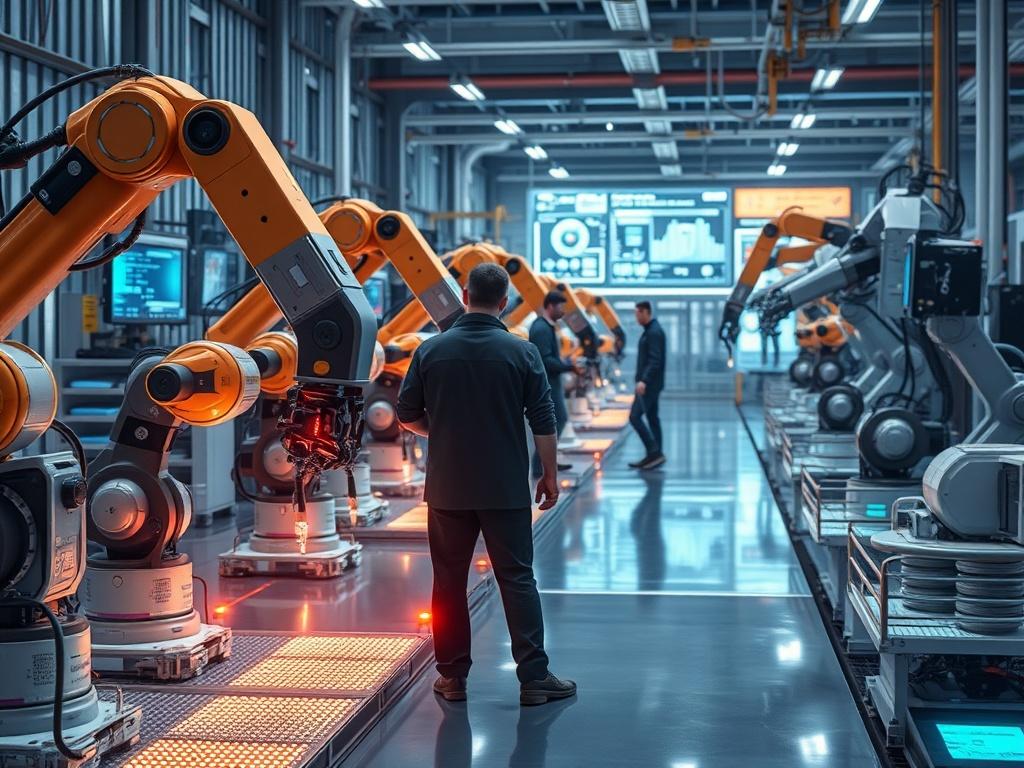
The manufacturing landscape is undergoing a profound transformation, driven by the rapid integration of Artificial Intelligence (AI) and automation. This powerful synergy is not merely about replacing human labor with machines; it's about creating smarter, more efficient, and more adaptable production systems.
Boosting Efficiency and Productivity
One of the most immediate impacts of AI and automation is a dramatic surge in efficiency and productivity. AI-powered systems can analyze vast amounts of data from sensors, production lines, and supply chains to identify bottlenecks, predict equipment failures, and optimize resource allocation in real-time. Robots, equipped with AI, can perform repetitive, dangerous, or highly precise tasks with unparalleled speed and accuracy, freeing up human workers for more complex problem-solving and creative endeavors.
Enhancing Quality Control
Achieving consistent, high-quality output is paramount in manufacturing. AI excels at visual inspection and anomaly detection. Machine learning algorithms can be trained to spot even the subtlest defects in products that might be missed by the human eye, leading to a significant reduction in scrap and rework. This not only saves costs but also ensures customer satisfaction.
Predictive Maintenance: Preventing Downtime
Unexpected equipment breakdowns are a major cause of production delays and significant financial losses. AI-driven predictive maintenance systems can monitor the health of machinery by analyzing data such as vibration, temperature, and pressure. By predicting potential failures before they occur, manufacturers can schedule maintenance proactively, minimizing costly unplanned downtime and extending the lifespan of their equipment.
The Rise of the Smart Factory
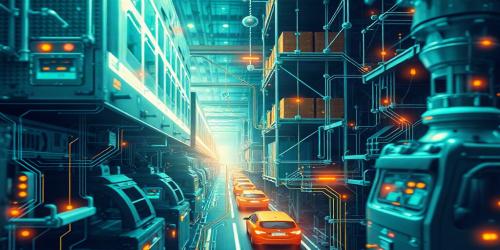
The culmination of these advancements is the "smart factory." These facilities are characterized by interconnected systems where AI and automation work in concert, from the initial design phase to the final delivery. This interconnectedness allows for greater flexibility, enabling factories to adapt quickly to changing market demands, customize products on a large scale, and even operate with greater sustainability by optimizing energy consumption.
Challenges and the Human Element
While the benefits are undeniable, the integration of AI and automation also presents challenges. Significant upfront investment, the need for skilled personnel to manage and maintain these systems, and concerns about job displacement are all valid considerations. However, the narrative is shifting towards augmentation rather than replacement. AI and automation can empower human workers, creating new roles focused on overseeing these intelligent systems, data analysis, and strategic decision-making.
The Future is Now
The era of AI and automation in manufacturing is not a distant future; it is here. Companies that embrace these technologies are poised to gain a significant competitive advantage, driving innovation, improving quality, and building more resilient and sustainable operations for the years to come.
Share This
Latest Blog

AI w Diagnostyce Medycznej i Obrazowaniu
15 Oct 2026
AI in Video Editing and Media Production
12 Oct 2026