AI in Smart Traffic Management: Paving the Way for Smoother Journeys
The Inescapable Challenge of Urban Mobility
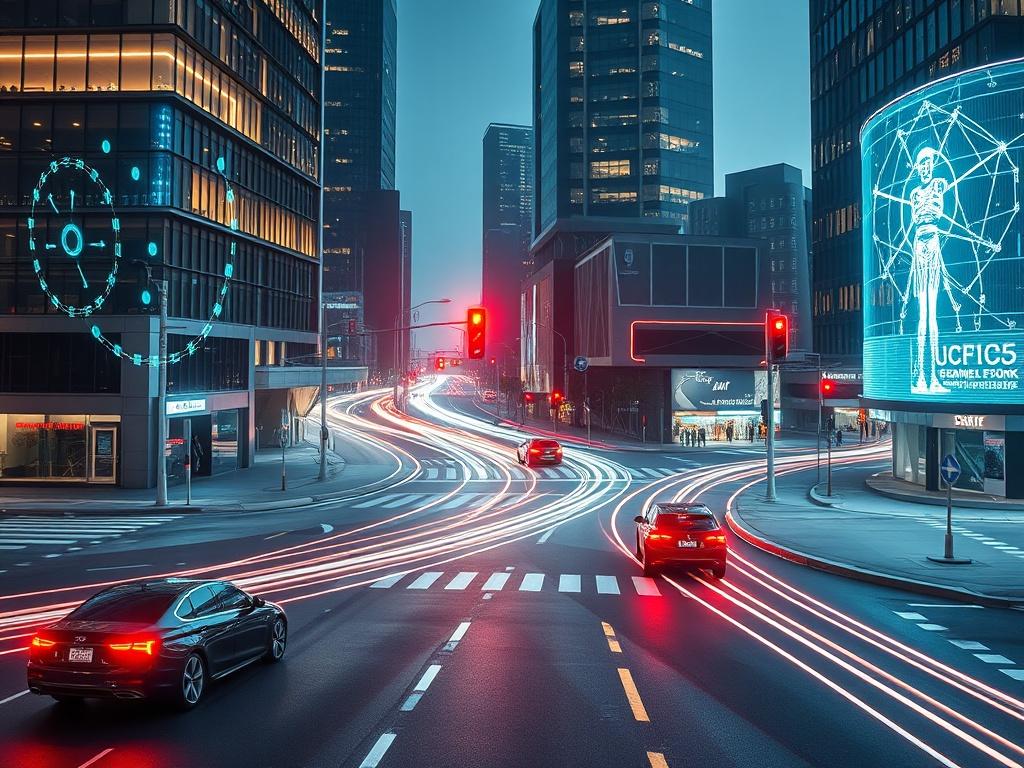
As our cities continue to grow, so does the complexity of managing traffic flow. Congestion, pollution, and the sheer frustration of gridlocked roads are daily realities for millions. Traditional traffic management systems, often relying on fixed timers and basic sensors, are struggling to keep pace with the dynamic nature of urban environments.
Enter Artificial Intelligence: A Revolution in Traffic Control
Artificial Intelligence (AI) is emerging as a game-changer in the realm of smart traffic management. By leveraging sophisticated algorithms and vast amounts of data, AI offers the potential to create intelligent, adaptive, and efficient transportation networks.
How AI is Transforming Traffic Management
AI's impact on smart traffic management can be seen in several key areas:
Real-time Traffic Prediction and Analysis
AI algorithms can analyze historical traffic data, weather patterns, event schedules, and even social media trends to predict traffic conditions with remarkable accuracy. This allows for proactive adjustments to traffic signals, route diversions, and information dissemination to drivers, helping to prevent congestion before it escalates.
Adaptive Traffic Signal Control
Forget fixed timers. AI-powered systems can dynamically adjust traffic signal timings based on real-time traffic volume and flow. By observing vehicle queues and traffic density, AI can optimize signal phases to reduce waiting times, minimize idling, and improve overall throughput.
Incident Detection and Response
AI can quickly identify anomalies in traffic flow, such as accidents, breakdowns, or debris on the road. Through the analysis of camera feeds and sensor data, AI can alert authorities almost instantaneously, enabling faster response times and quicker clearance of incidents, thereby reducing secondary congestion.
Optimized Public Transportation and Ride-Sharing
AI can optimize bus routes and schedules based on real-time demand and traffic conditions, making public transportation more reliable and attractive. For ride-sharing services, AI can facilitate dynamic pricing and efficient matching of drivers and passengers, further alleviating road congestion.
Intelligent Parking Solutions
Finding parking is a significant source of urban traffic. AI can guide drivers to available parking spots through smart parking apps and sensors, reducing the time spent circling and contributing to smoother traffic flow. This also has implications for optimizing parking garage operations.
Enhanced Safety and Security
AI can monitor traffic for dangerous driving behaviors, identify potential hazards, and even detect wrong-way drivers. This proactive approach can significantly improve road safety for all users.
The Future of Smart Traffic
The integration of AI into smart traffic management is not just about reducing commute times; it's about creating more sustainable, livable, and efficient cities. As AI technology continues to evolve, we can anticipate even more innovative solutions, leading to seamless urban mobility and a more pleasant experience for everyone on the road.
Share This
Latest Blog


AI w Diagnostyce Medycznej i Obrazowaniu
15 Oct 2026
AI in Video Editing and Media Production
12 Oct 2026