The AI Revolution: Transforming Smart Manufacturing
The Dawn of Intelligent Production
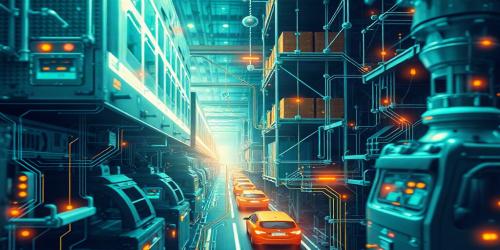
The manufacturing landscape is undergoing a profound transformation, driven by the integration of Artificial Intelligence (AI) into smart manufacturing systems. This isn't just about automation; it's about imbuing machinery and processes with the ability to learn, adapt, and optimize, leading to unprecedented levels of efficiency, quality, and flexibility.
AI's Multifaceted Role in Smart Manufacturing
AI's influence permeates nearly every aspect of smart manufacturing. Here are some key areas where it's making a significant impact:
Predictive Maintenance: Keeping Operations Running Smoothly
One of the most significant benefits of AI in manufacturing is its ability to predict equipment failures before they happen. By analyzing vast amounts of data from sensors – such as vibration, temperature, and power consumption – AI algorithms can identify subtle anomalies that indicate potential breakdowns. This allows for scheduled maintenance, minimizing costly downtime and preventing catastrophic failures.
Quality Control and Inspection: Achieving Unwavering Precision
Traditional quality control methods can be labor-intensive and prone to human error. AI-powered computer vision systems can inspect products at lightning speed, identifying defects with remarkable accuracy. These systems can detect microscopic imperfections, surface blemishes, and assembly errors that might be missed by the human eye, ensuring consistent product quality and reducing waste.
Process Optimization: Fine-Tuning Every Step
AI excels at analyzing complex datasets and identifying patterns that can lead to process improvements. In smart manufacturing, AI can optimize production schedules, energy consumption, material flow, and even individual machine settings. This leads to increased throughput, reduced operational costs, and a more sustainable manufacturing footprint.
Robotics and Automation: Enhancing Collaboration and Dexterity
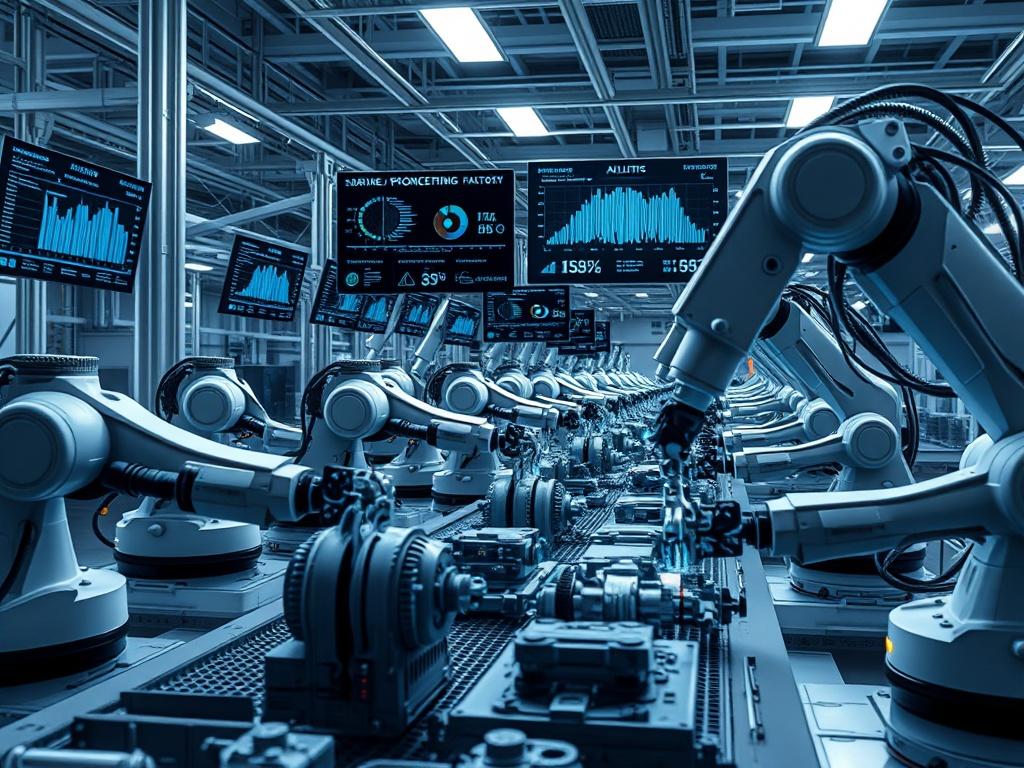
While robots have long been a staple in manufacturing, AI is making them smarter and more adaptable. AI-powered robots can learn from their environment, collaborate with human workers seamlessly, and perform more intricate tasks. This includes adaptive assembly, where robots can adjust their actions based on real-time feedback, and cobots (collaborative robots) that work alongside humans safely and efficiently.
Supply Chain Management: Building Resilient Networks
The benefits of AI extend beyond the factory floor. AI algorithms can analyze market trends, predict demand fluctuations, and optimize inventory levels. This leads to more agile and resilient supply chains, capable of responding effectively to disruptions and ensuring timely delivery of goods.
The Future is Intelligent and Connected
The integration of AI into smart manufacturing systems is not a distant vision; it's a present reality that is continuously evolving. As AI technologies mature and become more accessible, we can expect even more sophisticated applications that will redefine what's possible in industrial production. The future of manufacturing is undoubtedly intelligent, connected, and driven by the power of AI.
Share This
Latest Blog

AI w Diagnostyce Medycznej i Obrazowaniu
15 Oct 2026
AI in Video Editing and Media Production
12 Oct 2026