The Future of AI in Transportation
The Road Ahead: How AI is Reshaping Transportation
The hum of engines and the blur of passing scenery have long been the soundtrack to our journeys. But what if that soundtrack is about to get a whole lot smarter? Artificial Intelligence (AI) is no longer a futuristic concept confined to science fiction; it's actively steering the evolution of transportation, promising a future that's safer, more efficient, and more accessible than ever before.
Autonomous Vehicles: The Obvious Frontier
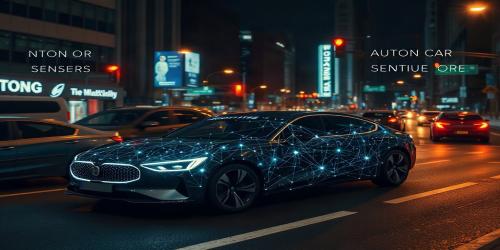
The most visible manifestation of AI in transportation is, undoubtedly, autonomous vehicles (AVs). From self-driving cars navigating city streets to long-haul trucks cruising on highways, AI is the brain behind these machines. Machine learning algorithms analyze vast amounts of sensor data – cameras, lidar, radar – to perceive the environment, predict the actions of other road users, and make real-time decisions. This technology holds the potential to drastically reduce accidents caused by human error, fatigue, or distraction.
Beyond the Car: AI's Wider Reach
While AVs grab headlines, AI's influence extends far beyond individual vehicles. It's revolutionizing how we manage traffic flow, optimize logistics, and even design our urban infrastructure.
Intelligent Traffic Management
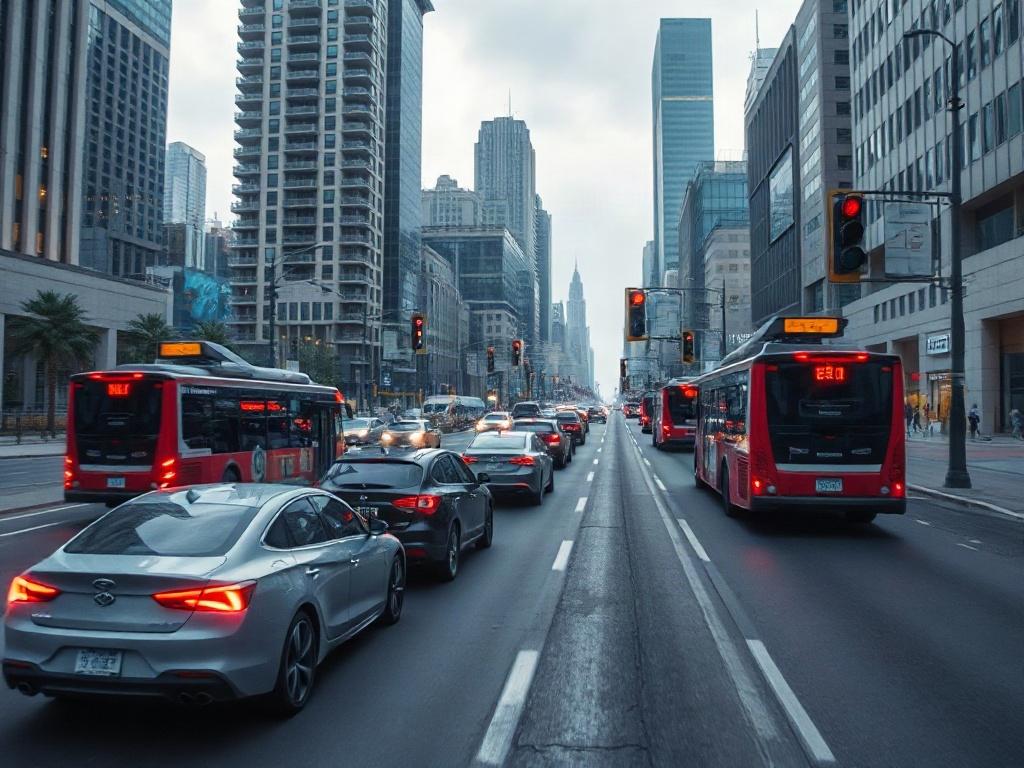
Imagine a city where traffic lights adapt dynamically to real-time congestion, not based on fixed timers. AI-powered traffic management systems can analyze traffic patterns, predict bottlenecks, and adjust signal timings to minimize wait times and reduce emissions. This intelligent orchestration of movement can transform congested urban centers into more fluid and livable environments.
Optimized Logistics and Delivery
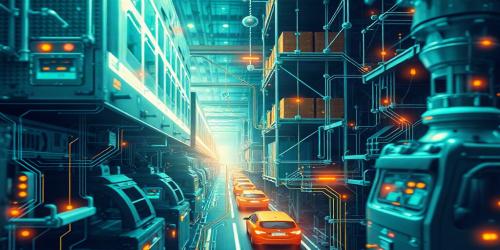
For businesses, AI is a game-changer in supply chain management. AI algorithms can optimize delivery routes, predict demand, and manage fleets more efficiently. This leads to reduced fuel consumption, faster delivery times, and ultimately, lower costs for consumers. From last-mile delivery drones to optimized warehouse operations, AI is streamlining the movement of goods.
Enhanced Public Transportation
AI is also set to improve public transportation. Ride-sharing platforms are already using AI to match passengers and optimize routes. In the future, we can expect AI to power on-demand public transport, predictive maintenance for buses and trains, and personalized travel recommendations for commuters, making public transit a more attractive and convenient option.
Safety and Predictive Maintenance
Beyond accident prevention in AVs, AI can enhance safety across all modes of transport. It can analyze data from vehicle sensors to predict potential mechanical failures before they occur, allowing for proactive maintenance and preventing breakdowns. This predictive maintenance can save lives and reduce costly downtime.
Challenges and the Road Ahead
Despite the incredible potential, the widespread adoption of AI in transportation isn't without its challenges. Ethical considerations surrounding AI decision-making in critical situations, cybersecurity concerns, and the need for robust regulatory frameworks are all crucial areas that need careful attention. Furthermore, the integration of AI-powered systems into existing infrastructure requires significant investment and thoughtful planning.
However, the trajectory is clear. AI is not just an addition to transportation; it's becoming its foundational element. As AI continues to learn and adapt, the future of how we move ourselves and our goods promises to be a remarkable transformation.
Share This
Latest Blog


AI w Diagnostyce Medycznej i Obrazowaniu
15 Oct 2026
AI in Video Editing and Media Production
12 Oct 2026