The Role of AI in Biotechnology
Unlocking the Future: How AI is Revolutionizing Biotechnology
Biotechnology, the science of using living organisms or their components to create or modify products, has always been at the forefront of innovation. From developing life-saving medicines to engineering sustainable solutions, its impact on our lives is profound. Now, a new era of discovery is dawning, powered by the incredible capabilities of Artificial Intelligence (AI).
Accelerating Drug Discovery and Development
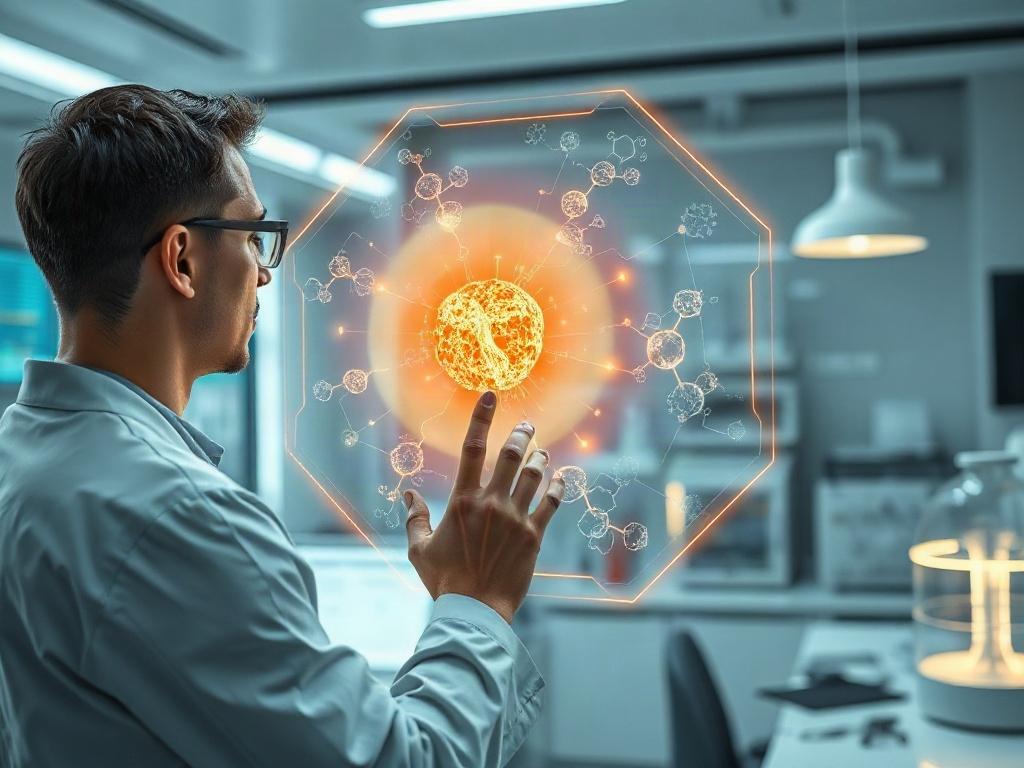
One of the most significant impacts of AI in biotechnology is in the realm of drug discovery. Traditionally, this process is lengthy, expensive, and fraught with failure. AI algorithms can analyze vast datasets of biological and chemical information, identifying potential drug candidates and predicting their efficacy and safety far more efficiently than human researchers alone.
Target Identification and Validation
AI can sift through genomic and proteomic data to pinpoint specific molecular targets associated with diseases. By understanding the intricate biological pathways, AI helps researchers identify the most promising targets for therapeutic intervention.
Molecule Design and Optimization
Generative AI models can design novel molecules with desired properties, rather than relying on screening existing libraries. This allows for the creation of drugs that are more potent, selective, and have fewer side effects.
Clinical Trial Optimization
AI can also optimize clinical trials by identifying suitable patient populations, predicting patient responses, and even analyzing real-world data to improve trial design and execution. This leads to faster and more successful drug approvals.
Advancing Genomics and Personalized Medicine
The explosion of genomic data has presented both opportunities and challenges. AI is crucial for making sense of this complex information and translating it into actionable insights for personalized medicine.
Interpreting Genomic Data
AI algorithms can identify genetic variations linked to diseases, predict an individual's predisposition to certain conditions, and understand how genes interact with environmental factors.
Tailoring Treatments
By analyzing a patient's genetic makeup, medical history, and lifestyle, AI can help clinicians prescribe treatments that are most likely to be effective and minimize adverse reactions. This moves us closer to truly personalized healthcare.
Enhancing Biomanufacturing and Sustainability
Beyond healthcare, AI is also transforming how we produce biological products and address environmental challenges.
Optimizing Fermentation Processes
In biomanufacturing, where microorganisms are used to produce everything from biofuels to therapeutic proteins, AI can optimize fermentation conditions for higher yields and purity.
Developing Sustainable Materials
AI is instrumental in designing novel enzymes and microorganisms for breaking down waste, creating biodegradable materials, and developing cleaner industrial processes, contributing to a more sustainable future.
The Future is Collaborative
While AI offers unprecedented power, it's important to remember that it's a tool. The true potential of AI in biotechnology lies in its collaboration with human expertise. Scientists, researchers, and clinicians will continue to be at the helm, guiding AI's capabilities to solve humanity's most pressing challenges. As AI continues to evolve, we can anticipate even more groundbreaking discoveries and transformative applications emerging from the dynamic intersection of AI and biotechnology.
Share This
Latest Blog


AI w Diagnostyce Medycznej i Obrazowaniu
15 Oct 2026
AI in Video Editing and Media Production
12 Oct 2026